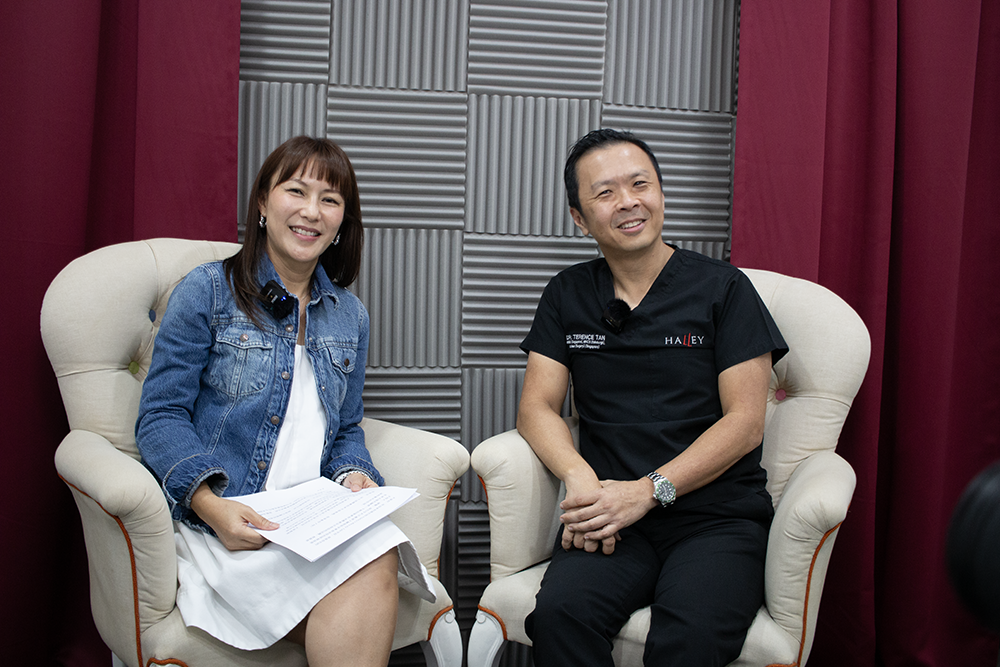
By Dr. Terence Tan, Medical Director, Halley Medical Aesthetics
In recent years, Pico laser treatments have gained popularity as an aesthetic treatment both globally and in Singapore. From social media influencers showcasing their glowing skin post-treatment to increasing numbers of patients seeking solutions for pigmentation, acne scars, and rejuvenation, it is clear that Pico lasers are here to stay.
As this treatment gains popularity, questions about it are growing just as quickly. Why are there so many different brands of Pico lasers? Why do prices vary so much from one clinic to another? And more importantly, how do you know if you’re receiving a safe and effective treatment tailored to your needs? Does it mean that all Pico lasers are equally effective regardless of the price point?
As a medical aesthetics doctor with more than a decade of experience in laser treatments, I would like to share my insights to help you make informed decisions about Pico laser treatments. This blog post aims to answer common questions posed by patients and demystify the science behind pico laser technology.
What exactly is a Pico laser?
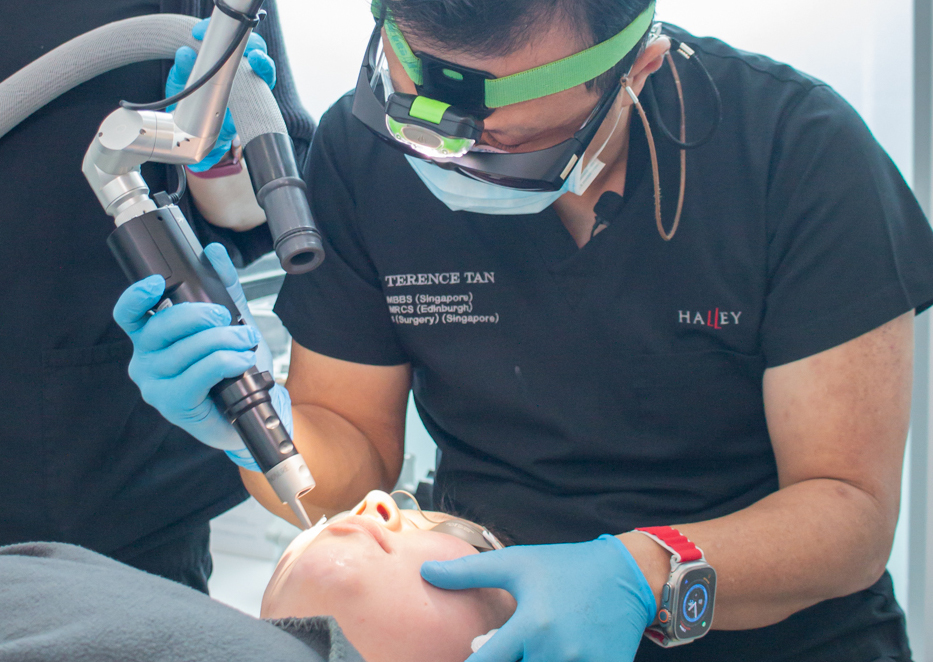
Pico lasers, short for “Picosecond lasers,” are medical devices that deliver laser energy in ultra-short bursts, specifically in Picoseconds, which are trillionths of a second. This is in contrast to older technologies like nanosecond Q-Switched lasers, which deliver energy in longer pulses.
The ultra-short pulse duration of Pico lasers shatters skin pigmentation into extremely fine particles without generating excess heat. This lowers the risk of skin damage and therefore reduces downtime to a minimal, making Pico lasers suitable for a wide range of skin types, especially Asian skin, which is prone to hyperpigmentation.
What can Pico lasers treat?
Pico lasers are versatile and can address a broad spectrum of skin concerns. These include:
- Pigmentation (freckles, age spots, melasma)
- Acne scars
- Enlarged pores
- Fine lines and wrinkles
- Skin texture and tone
- Tattoo removal
Thanks to their targeted action and gentler approach as compared to older lasers, Pico lasers have become the treatment for patients seeking effective results with minimal downtime.
Understanding laser wavelengths: Alexandrite vs. Nd:YAG
There are two main types of Pico lasers based on the laser medium and wavelengths they produce:
- Alexandrite-based Pico lasers:
These lasers emit light at a wavelength of 755nm. The Pico laser stands out as a notable Pico laser in this category. The 755nm wavelength is particularly effective for treating pigmentation in fair to medium skin tones and stimulating collagen. - Nd:YAG-based Pico lasers:
These Nd:YAG-based Pico lasers produce two main wavelengths: 532nm and 1064nm. The 532nm wavelength is for treating superficial pigmentation, while the 1064nm penetrates deeper, making it ideal for deeper pigmentation and darker skin tones. Brands in this category include Pico laser, PicoWay, and PicoPlus.
Depending on the patient’s skin and concerns, I will customise the treatment and use either one wavelength or a combination of wavelengths to achieve the desired result.
Pico lasers also have different handpieces to treat various skin concerns. Each handpiece customises laser delivery in terms of adjusting spot size, depth, and wavelength for targeted treatment of pigmentation, acne scars, wrinkles, and tattoos.
It takes an experienced doctor to know when to switch handpieces and wavelengths to address the patient’s concern.
What sets Pico lasers apart from traditional lasers?
The key difference between Pico lasers and traditional lasers lies in how the laser energy interacts with our skin.
Traditional Q-Switched lasers which are still used in many clinics, deliver energy over nanoseconds. This longer pulse duration generates more heat, which increases the risk of inflammation, post-inflammatory hyperpigmentation (PIH), and longer downtime.
Pico lasers, by contrast, break down pigmentation through mechanical photoacoustic effects rather than heat. This leads to finer pigment fragmentation, faster clearance by the body, and significantly less risk of thermal damage.
Moreover, many modern Pico lasers come with fractional handpieces, which concentrate energy into micro-columns. This enhances collagen stimulation and skin remodelling, making Pico lasers effective not only for pigmentation but also for acne scars, wrinkles, and enlarged pores.
The role of the doctor: Why technique matters more than brand

One common misconception is that all Pico lasers are the same which is why I do not recommend choosing a clinic based solely on the brand of Pico laser brand they own. The effectiveness of a Pico laser treatment heavily depends on the doctor’s skill, experience, and his treatment plan to achieve the desired result.
The reason why the brand of the Pico laser should not be a critical decision criterion is because ultimately, the laser device is just a tool. The safety and effectiveness of your Pico laser treatment depends on the person i.e. the doctor who is using the tool. An experienced doctor needs to make the following decisions during each treatment:
- The Pico laser wavelength most suitable for your skin and your skin concerns
- The number of laser passes needed to treat your concern
- The energy level of the laser treatment for an efficient yet safe treatment
- Which handpiece s for optimal results
How did the patient’s skin respond to the treatment and how should I adjust it?Think of it like cooking. Owning a kitchen with top-of-the-line cooking equipment doesn’t make someone a master chef. It’s the chef’s expertise that brings out the best in every dish. Similarly, achieving optimal results from a Pico laser treatment does not come from the machine but from the doctor operating the device.
Why do prices vary so much for Pico laser treatments?
It’s a question often asked by patients because information is so easily available from the Internet and social media. When people go online and search for Pico lasers, they see clinics offering Pico laser treatments for as low as $50, while others charge several hundred dollars per session.
Here are some reasons for the price disparity. I recommend patients do some fact finding on the following aspects before making a decision:
- Duration of treatment:
Lower-priced treatments may have a shorter treatment time of 5-10 mins per session. In these sessions, fewer laser “shots” (or passes) are delivered, and the treatment may not be a customised one. It may be a one-size-fit-all treatment that is not for your specific skin concerns. - Energy settings:
To minimise risk during quick sessions, the doctor may use lower energy settings. This means you may need more sessions to see results, and in some cases, the results may be suboptimal. - Treatment protocol:
A comprehensive treatment involves assessing your skin, possibly combining different Pico laser machines, using multiple laser wavelengths or handpieces, and following up over several sessions. This level of customisation and attention takes time and expertise, which pushes the price up. - Doctor’s involvement:
In Singapore, all laser treatments must be performed by a doctor as it is a medical device. Spa therapists are not allowed to carry out laser treatments in Singapore.
The price Pico laser treatment should be one that reflects the quality of care, safety, and expected results. Be mindful that a cheaper treatment may cost more in the long run if it requires more sessions or leads to complications.
Pico toning vs. full Pico laser treatment: Know the difference

You may have come across the term “Pico toning”. While it sounds similar to a full Pico laser treatment, they are not the same thing.
- Pico toning:
Pico toning involves using low energy over multiple passes across the entire face. It is gentle, with little to no downtime, and is suitable for general skin brightening and mild pigmentation.
However, it is not effective for more stubborn conditions like deep melasma, age spots, or acne scars.
- Full Pico laser treatment:
A full Pico laser treatment is more comprehensive as it uses higher energy settings. The treatment often involves a combination ofdifferent handpieces, wavelengths, and even the use of a specialised handpiece (e.g. Pico laser’s focus lens) that concentrates picosecond laser energy into micro-focused spots, stimulating collagen and elastin production for skin rejuvenation without thermal damage.
A full Pico laser treatment may also include spot treatments for specific pigment lesions. These sessions are more intensive and yield more dramatic results. Downtime may be slightly longer, but the improvement in skin tone, texture, and pigmentation is more obvious, more dramatic compared to Pico toning.
Think of it like comparing an iPhone and an iPhone Pro Max. Both are powerful, but the Pro Max has more capabilities. Pico toning is a good maintenance option or a stepping stone, but it should not be confused with a full-spectrum Pico laser protocol.
Is Pico laser suitable for everyone?
Pico laser is suitable for most individuals, especially those with:
- Skin pigmentation (e.g. freckles, melasma, sun spots)
- Acne scars and textural irregularities
- Early signs of ageing (fine lines and wrinkles)
- Uneven skin tone and enlarged pores
Even younger patients in their 20s and 30s can benefit from Pico laser treatments. It is not just for fixing visible issues, it is also good for prevention and skin maintenance. Regular treatments can delay the appearance of pigmentation and maintain a smooth and glowing complexion.
However, a consultation with a doctor is essential. Certain skin conditions, medications, or lifestyles may affect your suitability for a Pico laser treatment or may require the doctor to adjust your treatments.
What should I look for in a Pico laser clinic?
When doing your research on Pico lasers clinics in Singapore, I would recommend that you assess clinics based on the following points:
- Treatment performed by a doctor:
Make sure treatments are done by a medical doctor. Only certified doctors are allowed to carry out any laser treatments in Singapore. - Comprehensive consultation:
Did the doctor spend time prior treatment assessing your skin condition thoroughly, and explaining the proposed treatment plan, expected outcomes, number of sessions, and aftercare. Or did he dive immediately into the treatment without discussing his treatment plan with you or answering your questions. - Range of equipment:
Does the clinic have one or more than one Pico laser machine? Having more than one Pico laser machine is equivalent to equipping the doctor with a wider range of tools – Pico wavelengths – for him to customise a treatment that is optimised for your skin concern. - Time spent per session:
Do you feel rushed during treatment? Effective results require time and careful planning. - Transparency in pricing and process:
Was the clinic upfront about what is included in the price and what the treatment entails. Is it a Pico toning treatment, a full Pico laser treatment, and whether the price reflects the level of care.
Final thoughts: Choose thoughtfully, treat responsibly
Pico laser is one of the most effective, low-downtime options available for modern skin rejuvenation and pigmentation treatment. But it is also a medical procedure that requires thoughtful planning, skilful execution, and proper aftercare.
Do not be swayed solely by promotional pricing or trendy branding. Instead, choose a clinic and a doctor who takes time to understand your skin, tailor a treatment plan to your needs, and follow through with care and expertise.
When done correctly, Pico laser treatment can offer transformational results. And that, in my professional opinion, is worth investing in.
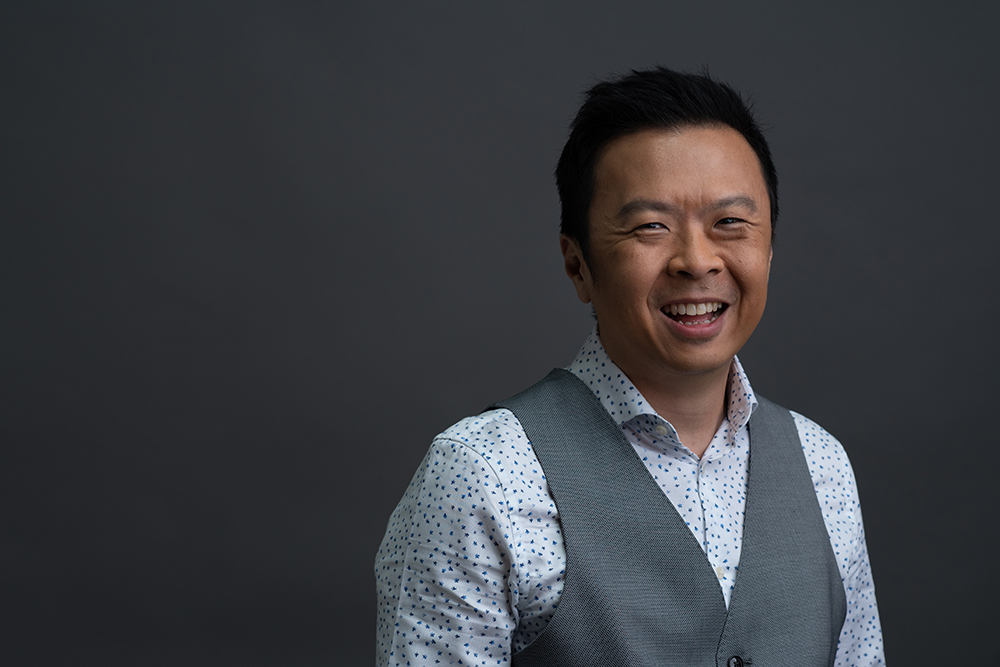
Dr. Terence Tan is the Medical Director of Halley Medical Aesthetics and Halley Body Slimming Clinic. With over a decade of experience in aesthetic medicine, he specialises in non-invasive and minimally invasive treatments for skin rejuvenation, facial contouring, and body sculpting.