
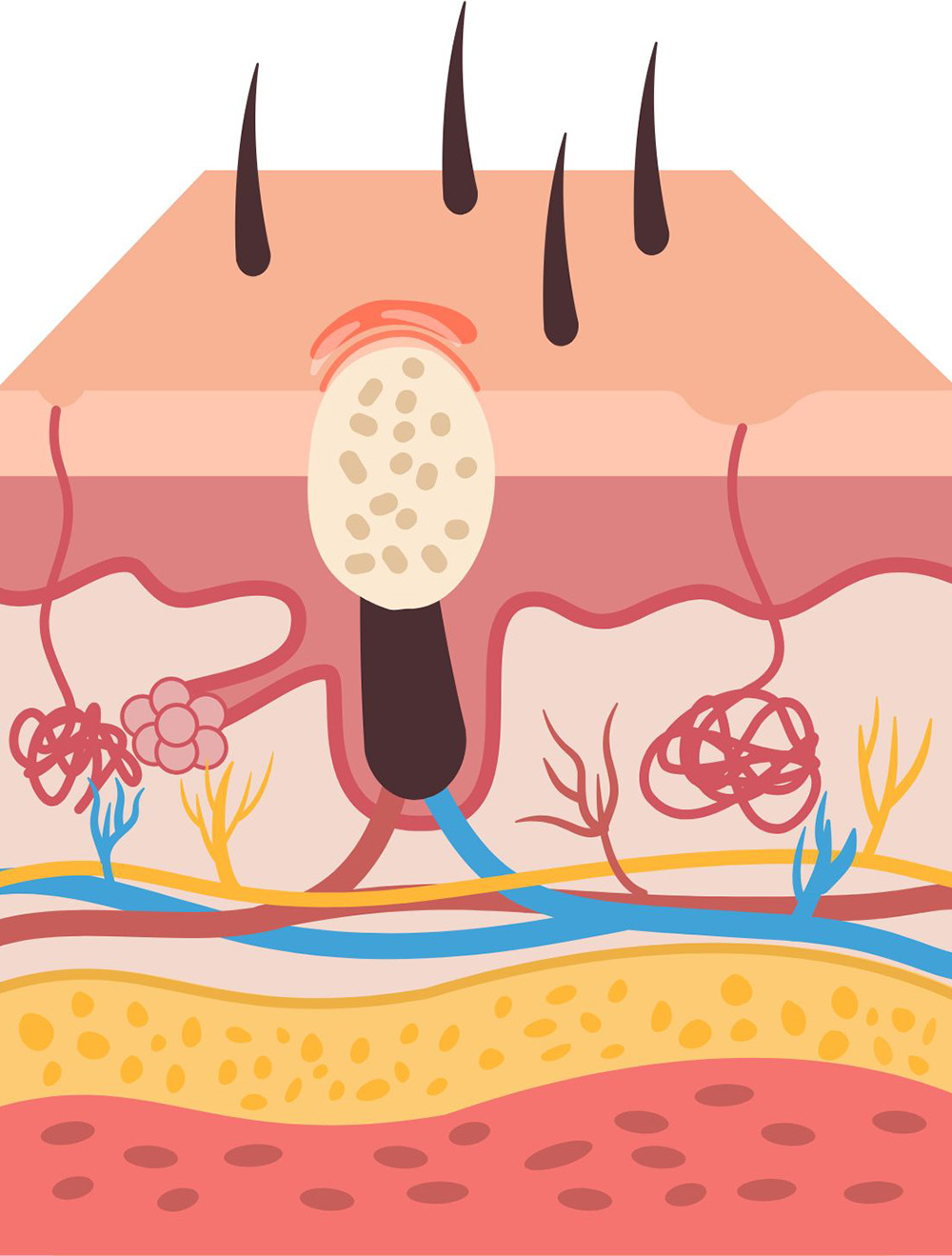
Active acne, also commonly known as acne vulgaris, occurs when hair follicles and oil (sebaceous) glands become clogged with excess sebum, dead skin cells, and bacteria such as Cutibacterium acnes (C. acnes). They typically grow on the face, chest, and back.
According to Dr. Terence Tan, medical director and founder of Halley Medical Aesthetics: “Active acne can affect individuals of all ages, and when not properly managed, it may lead to ongoing inflammation, scarring, and a negative impact on self-confidence. Beyond the physical symptoms, acne can also influence emotional wellbeing and daily quality of life”
Early and appropriate active acne treatment plays an important role in reducing long-term scarring and unwanted impact on our skin.
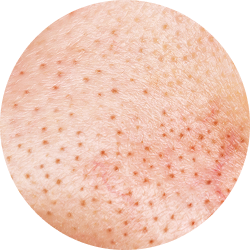
Blackheads
Open clogged pores where the trapped sebum oxidises, giving the surface a darker appearance.
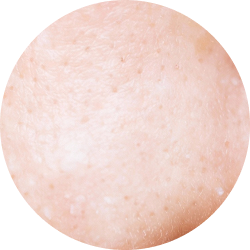
Whiteheads
Closed clogged pores where the trapped debris remains beneath the skin, forming small, flesh-coloured bumps.
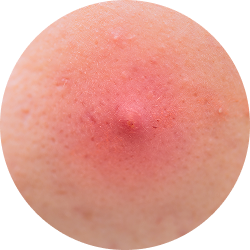
Papules
Small, red bumps that develop when clogged pores become inflamed.
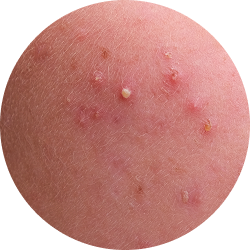
Pustules
Pimples with a visible white or yellow centre caused by a build-up of inflammation and debris.
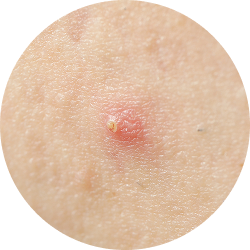
Nodules
Firm, tender lumps beneath the skin that form when inflammation goes deeper into the follicle.
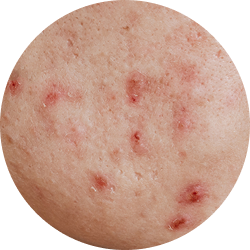
Cysts
Large, painful lumps filled with fluid that sit deep within the skin and may increase the likelihood of scarring.
Inflammatory lesions generally a higher chance of leaving long-term marks. Over time, some people may develop different types of acne scars such as rolling scars, ice pick scars, boxcar scars, or hypertrophic scars. As each scar type forms differently, they may require different treatment approaches.
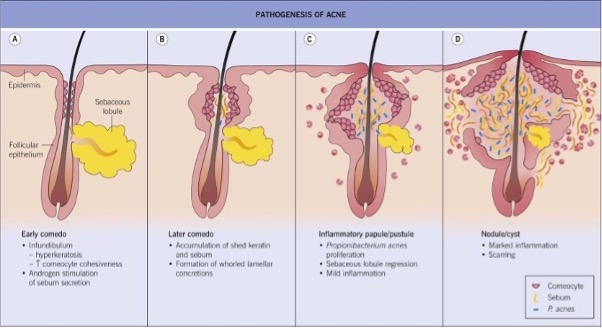
The complex process behind the development of acne.
Understanding the root causes of active acne helps us determine which treatments are most suitable. Some of the key factors include:
Studies indicate that acne is commonly caused by hyperkeratinisation, which occurs when skin cells in the hair follicle shed rapidly and cluster together. These cells can block the pore and create ideal conditions for acne development.
C. acnes is a bacteria that normally lives on the skin. But once trapped inside a blocked pore, it multiplies and triggers inflammation. This can turn a simple blockage into red, painful acne.
Genetics play a major role in determining who develops acne. Studies on the epidemiology of acne suggest that up to 81% of acne susceptibility may be inherited.
Research indicates that diet and lifestyle habits can influence how often acne flares up. Foods with a high glycemic index, frequent dairy intake, chronic stress, poor sleep, and comedogenic skincare may all play a role in worsening acne.
Active acne treatment begins with understanding what is contributing to the breakouts.
A consultation allows the doctor to evaluate your skin condition, review possible triggers, and recommend an approach that matches your needs and comfort level.
Medications may be prescribed to target inflammation, bacteria, clogged pores, or excess oil. These are often the first line of care and are recommended for mild to moderate acne.
For individuals seeking further improvement, aesthetic options may be included. Many cases also benefit from combining plans based on your acne type and specific skin condition.
At Halley Medical Aesthetics, our doctors will customise the treatments based on patient’s acne severity, skin type, underlying factors, and personal preferences.
The most suitable active acne treatment depends on factors such as the type and severity of acne, skin sensitivity, and previous treatment history. During the consultation, the doctor will assess your skin and provide personalised advice on the options that may be appropriate for you.
Costs vary depending on the type of treatment recommended, such as medications, acne laser treatment, or a combination plan. You can view the clinic’s full price list for more information.
The number of sessions needed depends on the severity of the acne, how your skin responds, and whether the treatment is combined with other approaches. Some individuals notice improvement after a few sessions, while others may require a longer treatment course. Your doctor will advise on what is suitable for your skin.
Side effects vary by treatment type. Medications may cause dryness or mild irritation, while aesthetic procedures may lead to temporary redness, warmth, or slight peeling. These effects are generally not long lasting and go away with time. Your doctor will provide guidance on aftercare and how to minimise downtime.
During consultation, your doctor will assess your skin to determine if the acne laser treatment is suitable for your skin. The doctor will also adjust the necessary settings on the laser as part of the treatment planning process.
Yes, many people pair acne-focused treatments with other facial procedures to support overall skin clarity and texture. Pore cleansing facials, skin boosters, or rejuvenation procedures may complement acne care.
If you’re dealing with active acne and want professional evaluation and personalised treatment options, book an appointment with Halley Medical Aesthetics for a thorough skin assessment with our doctors.