
Temple fillers are injectable dermal fillers that are usually made of hyaluronic acid (HA). They are used to restore lost volume in the temple region (the sides of the forehead above the cheekbones) to improve hollowing. This area often loses fat and structural support with age, resulting in a sunken appearance.
By replenishing volume, temple fillers can:

There are many different types of fillers in the market and which filler to use depends on the patient’s anatomy and desired results. The most commonly used fillers in Singapore include:
Your doctor will assess your concern, how sunken the temple area is, and recommend the amount of filler required. The amount varies depending on the degree of volume loss on your temples and individual facial structure.
A personalised assessment is essential to determine the appropriate dosage for safe and natural results.
Temple fillers are suitable for individuals who feels that their temples have lost volume due to ageing.
Common concerns include:
Temple fillers may also complement other treatments such as cheek or forehead filler rejuvenation for a more harmonious and balanced overall result.
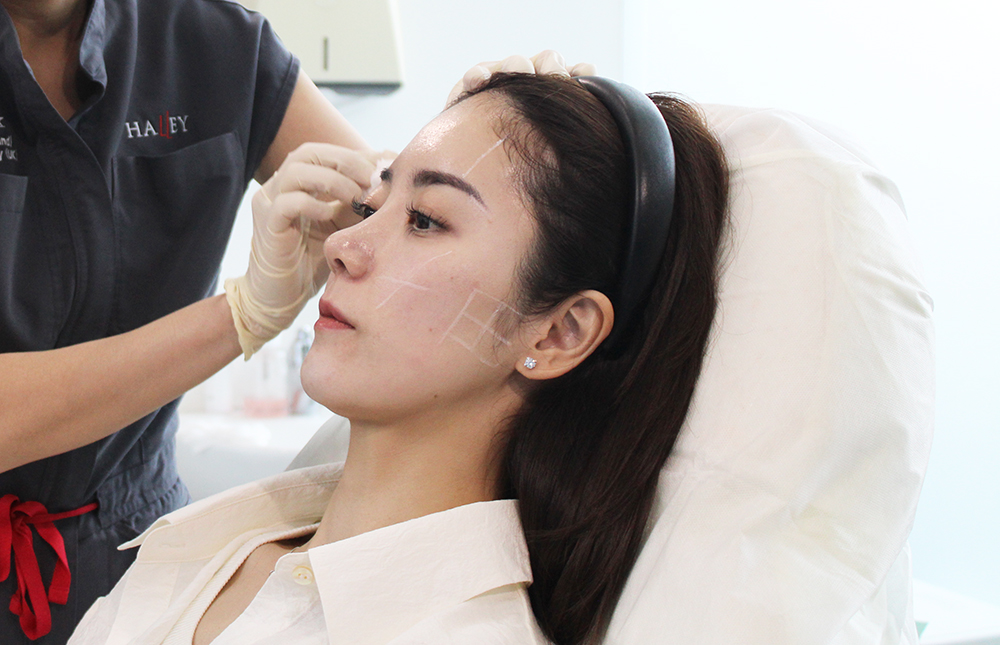
Your treatment begins with a consultation, and your doctor will assess your facial anatomy and evaluate the areas of concern carefully. Communicate your aesthetic goals to your doctor clearly so that they understand your expectations for the treatment and customise a treatment plan for you accordingly.
Your doctor will recommend the most suitable type of HA filler as there are multiple brands available in Singapore, the appropriate dosage as well as explain the potential risks, benefits, and expected outcomes of the treatment so you can make an informed decision. A comprehensive consultation will ensure that your treatment plan is personalised, safe, and aligned with your desired results.
The entire injection procedure takes about 15 to 30 minutes. Your face will be cleansed, and while numbing cream is usually not necessary, you can request for it to be applied prior the treatment for added comfort. Most dermal fillers contain lidocaine, a local anaesthetic that helps numb the area during the treatment process. Most patients experience only minimal discomfort during the treatment.
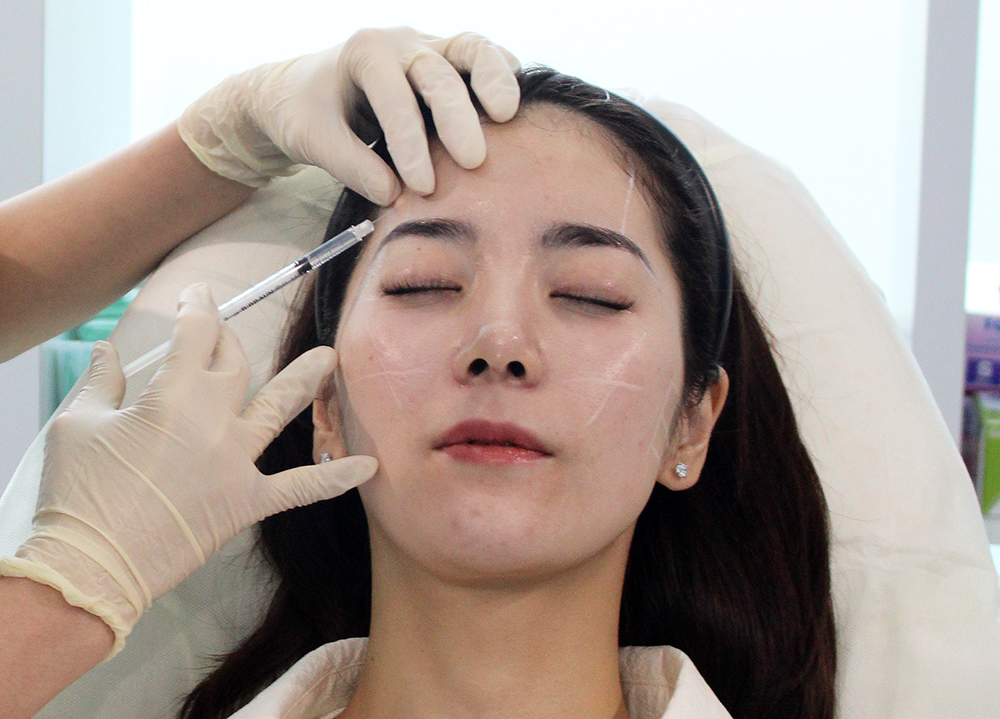
The filler is then carefully injected using a fine needle or cannula. In many cases, a cannula is preferred as it has a blunt tip that reduces the risk of hitting blood vessels, making the procedure safer and reduces the risk of bruising.
After the injections, it is normal to experience mild side effects such as slight swelling or redness at the treated area. Occasional bruising though rare may also occur. These effects are temporary and usually subside within a few hours to a few days.
After the treatment, patients are advised to take certain precautions to support optimal healing and results:
A follow-up review session will be scheduled two weeks after the treatment to assess your temple fillers results. Your doctor may touch up the treatment, if necessary, to ensure optimal symmetry and treatment satisfaction.
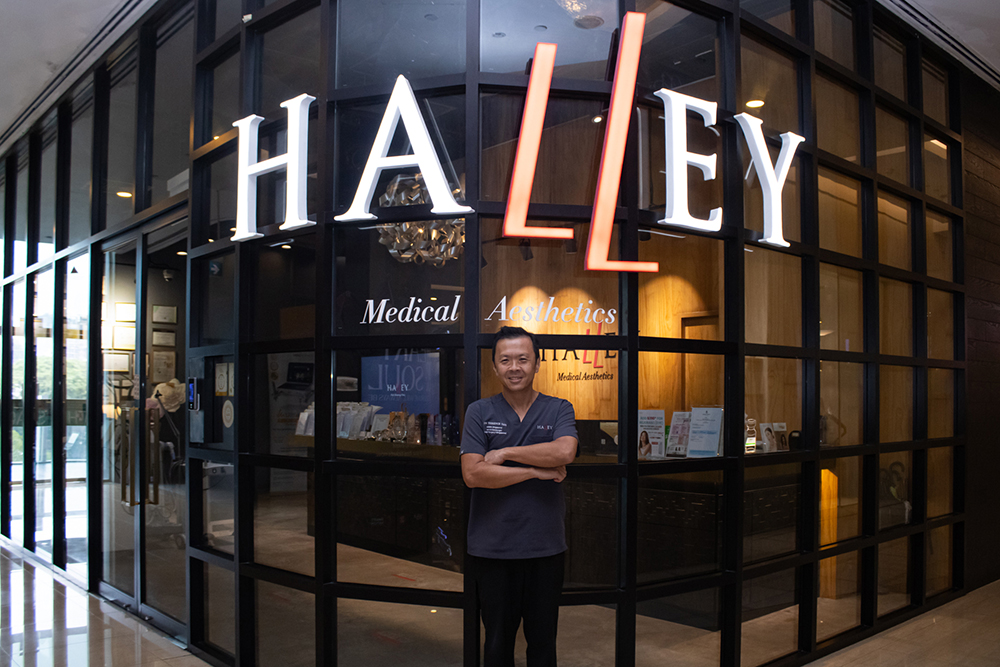
It is important to choose an experienced and reputable clinic for safe and effective temple filler treatment. At Halley Medical Aesthetics, patients are treated by certified medical doctors who are trained in facial aesthetics, and all treatments are customised for every patient based on their concerns and aesthetic goals. The clinic only uses dermal fillers that are approved by health authorities to ensure safety and optimal results.
Temple filler injections are generally well tolerated. Patients may request for a topical numbing cream to be applied before the procedure for added comfort, but it is generally not required. Most fillers contain lidocaine, a mild anaesthetic, to minimise discomfort.
It is generally a safe treatment. However, the temple area contains important blood vessels, so proper techniques and a good understanding of facial anatomy are crucial to minimise risks. Therefore, it is important to seek treatment from a qualified and experienced doctor.
The cost of temple fillers in Singapore varies depending on the type of filler used and the amount of filler required. Cost proposals that are based on the number of syringes required rather than a flat rate based on the treated area helps prevent under-filling or over-filling of dermal fillers. Book and consultation with our doctor to get a better understanding of the treatment cost. Alternatively, you may refer to our price list to find out more.
Temple filler is a no downtime treatment. Most patients can return to daily activities right after the treatment. Minor swelling or bruising, if any, will resolve in a few hours to a few days.
Temple fillers typically last between 12 to 18 months, depending on the type of filler used, individual’s metabolism, and lifestyle factors. Your doctor may recommend maintenance treatments to sustain results.
HA fillers are reversible, as they can be dissolved using an enzyme called hyaluronidase. This provides reassurance for patients considering the treatment.

The use of these treatments/products is dependent on the clinical assessment and judgement of a medical professional. Please consult a medical doctor for an informed discussion on the use of this treatment/product.