
Dark eye circles, also known as periorbital hyperpigmentation, refer to darkening or shadowing beneath the eyes. They appear brown, bluish, or purplish, or there may be hollowing at the under eye area, depending on the underlying causes such as pigmentation, visible blood vessels, or facial anatomy.
Dark eye circles can also be caused by volume loss in the tear trough or mid-face region. This is due to the hollowness in the under eye area, creating a shadow effect, especially under overhead lighting.
Dark eye circles are usually an aesthetic concern and less of a medical concern. Their appearance varies across different skin types in Singapore and are common in individuals who are more prone to pigmentation.
According to Periorbital Hyperpigmentation: A Comprehensive Review published in the Journal of Clinical and Aesthetic Dermatology, under eye darkening may result from a combination of melanin deposition, vascular visibility, skin laxity, and structural shadowing.
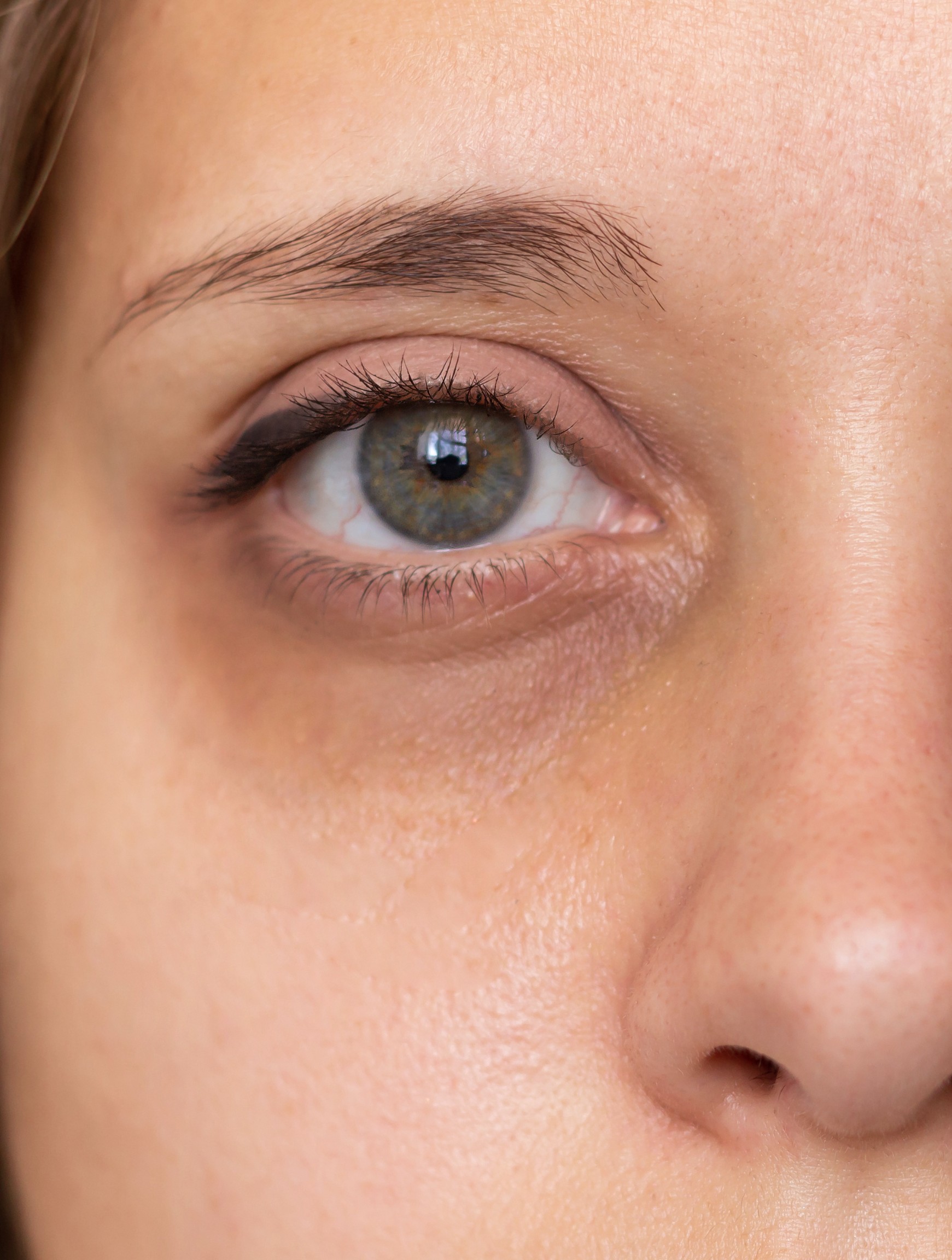
There are different types of dark eye circles, and more often than not, we have more than one contributing factor at the same time.
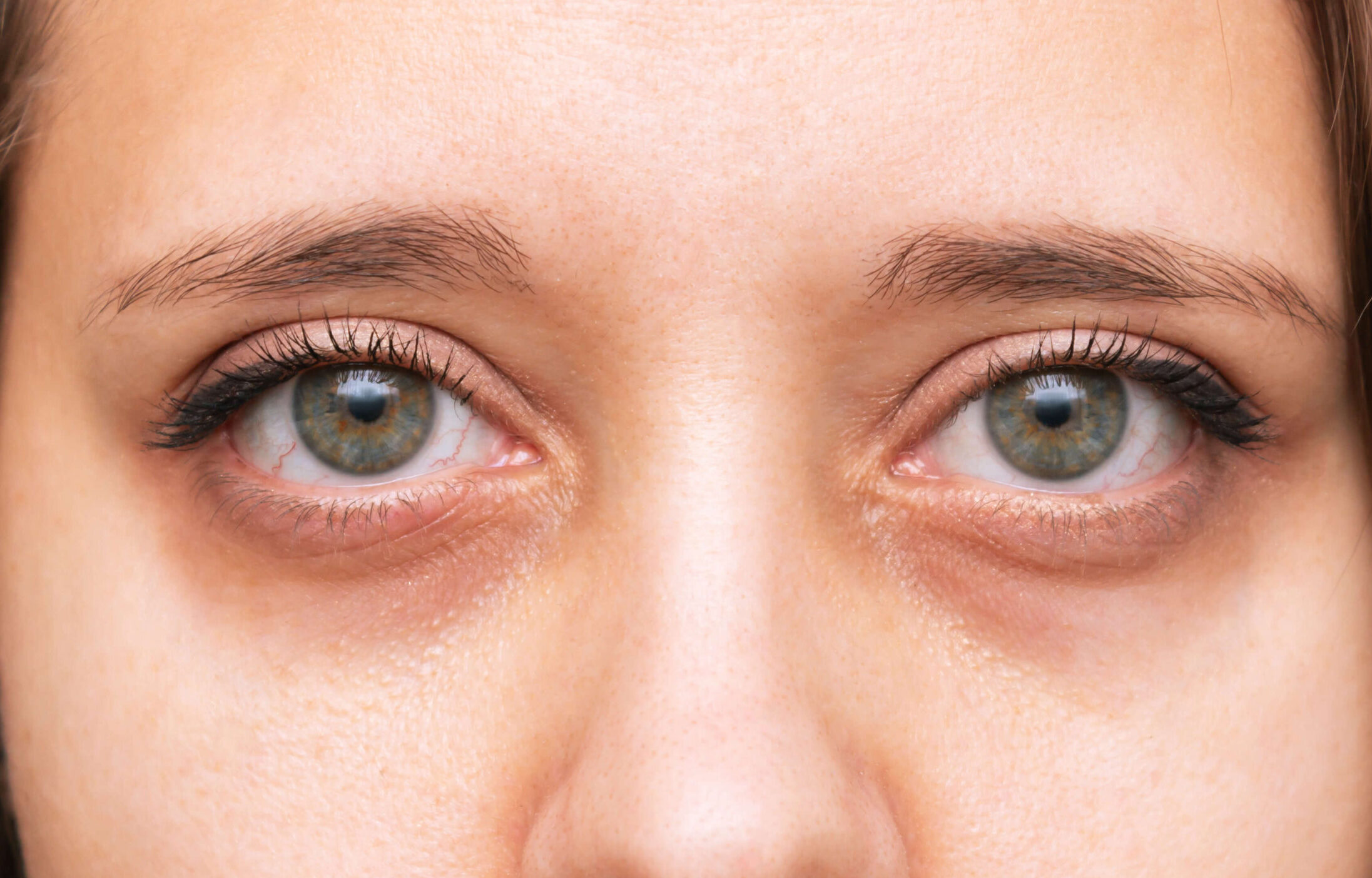
Pigmented dark eye circles are caused by increased melanin deposition around the under eye area. This often appears as brownish discolouration under the eyes.
This type of dark eye circles may be more common in individuals with darker Fitzpatrick skin types, including many Asian skin tones seen in Singapore. Pigmentation may also become more noticeable after inflammation, rubbing of the skin in the under eye area, eczema, or chronic irritation around the eyes.
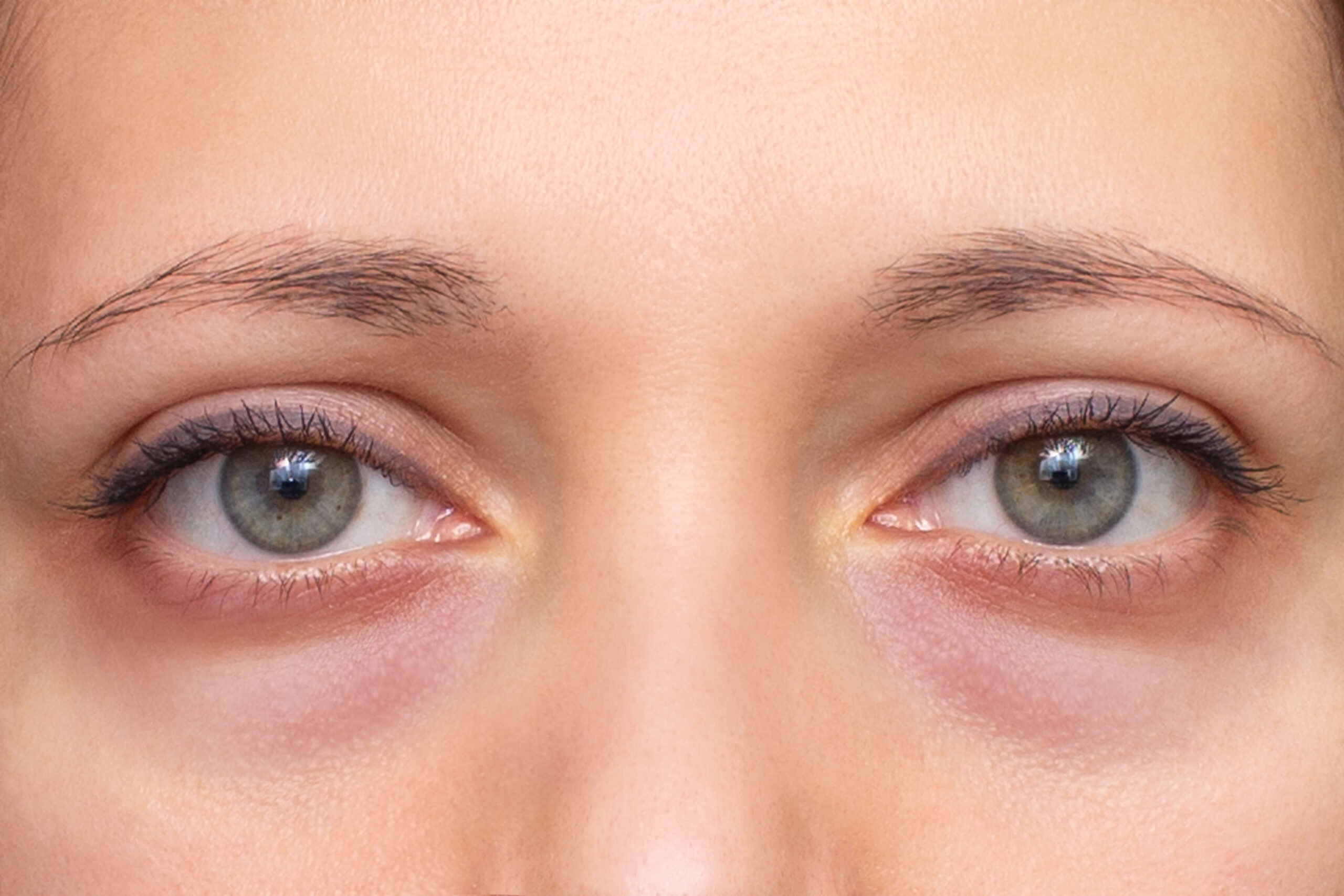
Vascular dark eye circles occur when thin under-eye skin allows underlying blood vessels to become more visible. These may appear bluish or purplish in colour.
The skin beneath the eyes is naturally thinner compared to other facial areas, and vascular structures may become more obvious because of reduced skin thickness or volume changes.

Structural dark eye circles are related to our facial structures. Tear trough hollowing and volume loss can create shadows under the eyes that resemble pigmentation.
As we age, volume loss and bone resbsorption can lead to hollowness beneath the eyes. Lighting conditions and facial contours can also affect how severe these shadows appear.
Genetics may influence skin thickness, facial anatomy, pigmentation tendencies, and vascular visibility. Individuals with a family history of under eye pigmentation or tear trough hollowing with age may be more susceptible to developing dark eye circles.
Excessive ultraviolet (UV) exposure may trigger melanin production in the skin, causing pigmentation around the eyes. Chronic sun exposure may also accelerate collagen breakdown and skin ageing, worsening the appearance of dark eye circles.
Contrary to popular believe, dark eye circles are not solely caused by insufficient sleep. However, sleep deprivation causes a tired or dull appearance, and this can make shadows or blood vessels beneath the eyes appear more noticeable.
The under eye area has thinner skin and fewer oil glands compared to other parts of the face. In some individuals, this may allow underlying blood vessels to become more visible, contributing to vascular dark circles.
Inflammation from eczema, allergies, chronic rubbing, or irritation around the eyes may lead to post-inflammatory hyperpigmentation (PIH). This may show up as brownish discolouration beneath the eyes.
Lifestyle factors such as smoking, stress, dehydration, and prolonged screen exposure may contribute to the appearance of dark eye circles in some individuals. These factors do not necessarily cause dark eye circles directly, but they may affect skin quality and make the under-eye area appear more tired or shadowed.
According to Periorbital Hyperpigmentation: A Comprehensive Review, the causes of dark eye circles are often complex and require individual assessment to determine the contributing factors.

At Halley Medical Aesthetics, your doctor will customise treatments for you based on the type and contributing factors of the dark eye circles.
Improving skin quality may help reduce the visibility of fine lines and contribute to a healthier-looking under-eye appearance.
Different treatments have different comfort levels, but most non-surgical treatments are well tolerated, and topical numbing cream may be applied to improve comfort during the procedure.
The cost depends on the treatment type and the number of sessions required. You may refer to our price list for more information.
The number of sessions varies depending on the underlying cause of the dark eye circles, treatment selected, and individual response. Some treatments may require multiple sessions for optimal results.
Possible side effects vary depending on the procedure and include temporary redness, swelling, bruising, tenderness, or mild discomfort. A medical consultation is important to discuss suitability, risks, post-treatment care, and expected downtime, if any.
Most non-surgical aesthetic treatments are suitable for different skin types. Individuals with pigmentation-prone skin may require tailored treatment approaches. Our doctor will assess your skin condition and recommend the appropriate treatment that is safe and effective for you.
In some cases, a combination of different treatments may be considered, depending on the causes contributing to the appearance of dark eye circles. For example, laser-based treatments may sometimes be combined with dermal fillers as part of a personalised management plan.
Ultherapy Prime and dermal fillers may also be combined to reduce the appearance of dark eye circles. Fillers restore lost volume to reduce hollowness and shadowing, while Ultherapy Prime stimulates collagen production to improve skin firmness and support. Together, they enhance under-eye contour, smooth transitions, and overall skin quality for a more refreshed appearance.

If you are concerned about dark eye circles, a personalised consultation with our doctor can help determine the underlying contributing factors and suitable management options for your skin type and concerns.
Book a consultation with Halley Medical Aesthetics to learn more about no downtime, non-surgical treatment options for dark eye circles.