
Wrinkles and fine lines are changes in the skin that happen naturally as part of the ageing process. They appear commonly on areas with frequent facial movements, and in areas exposed to environmental factors, such as the face, neck, and hands.
Fine lines
Fine lines are the earliest signs of skin ageing. They are shallow, subtle lines that commonly appear around the eyes (also known as “crow’s feet”) or around the mouth area. At this stage, the skin still has a good structure, but may be beginning to lose collagen and elasticity.
Wrinkles
Wrinkles are deeper and more pronounced than fine lines. They develop over time as the skin’s collagen and elastin gradually break down. This causes visible folds, such as forehead lines, frown lines, and nasolabial folds.
Fine lines and wrinkles are a normal part of ageing and they can be influenced by factors such as genetics, sun exposure, environmental stressors, and lifestyle habits. Understanding the difference between them is the first step in choosing the most appropriate prevention and treatment options.
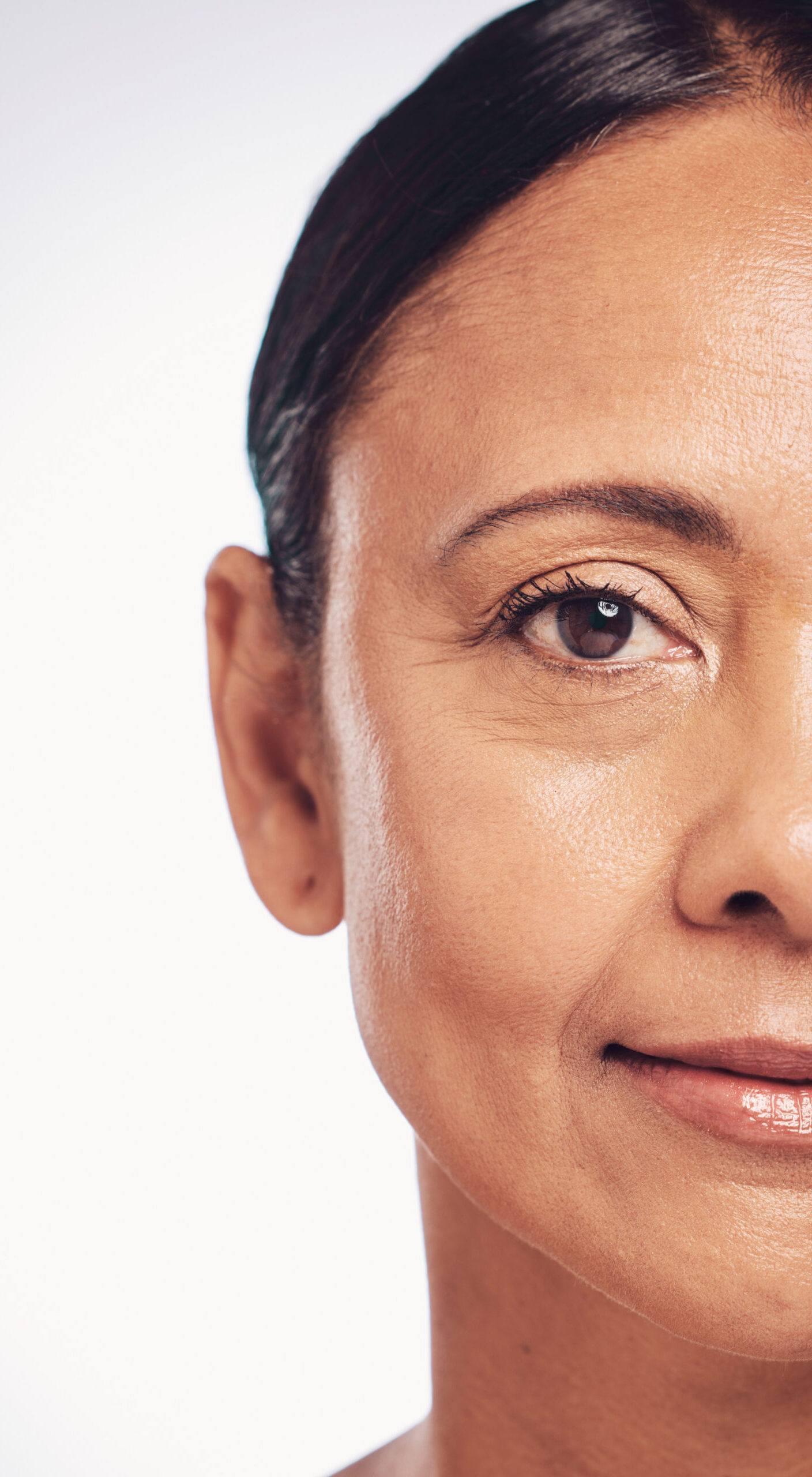
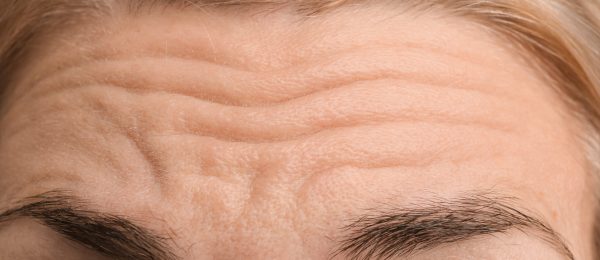
Dynamic wrinkles are caused by repeated facial movements such as smiling and frowning. They are also called "expression lines" since they typically appear when the face is in motion and may gradually become more visible with age as the skin loses elasticity. Crow’s feet around the eyes, forehead lines, and bunny lines on the nose are some examples of dynamic wrinkles. Early signs can also present as fine lines under eyes, especially with frequent expressions.
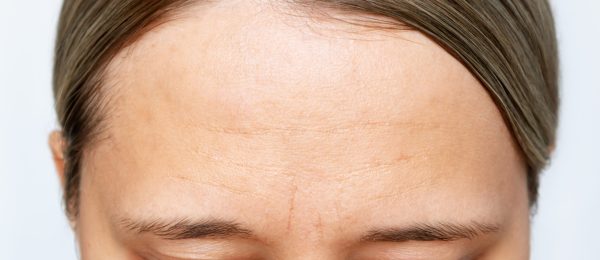
Static wrinkles are visible even when the face is at rest. They develop when the skin loses collagen and elastin, and they tend to deepen as we age. These deeper lines include forehead wrinkles, nasolabial folds (smile lines), lip lines around the mouth, and neck wrinkles. Static wrinkles often evolve from untreated dynamic wrinkles and are influenced by ageing, sun exposure, and lifestyle factors.
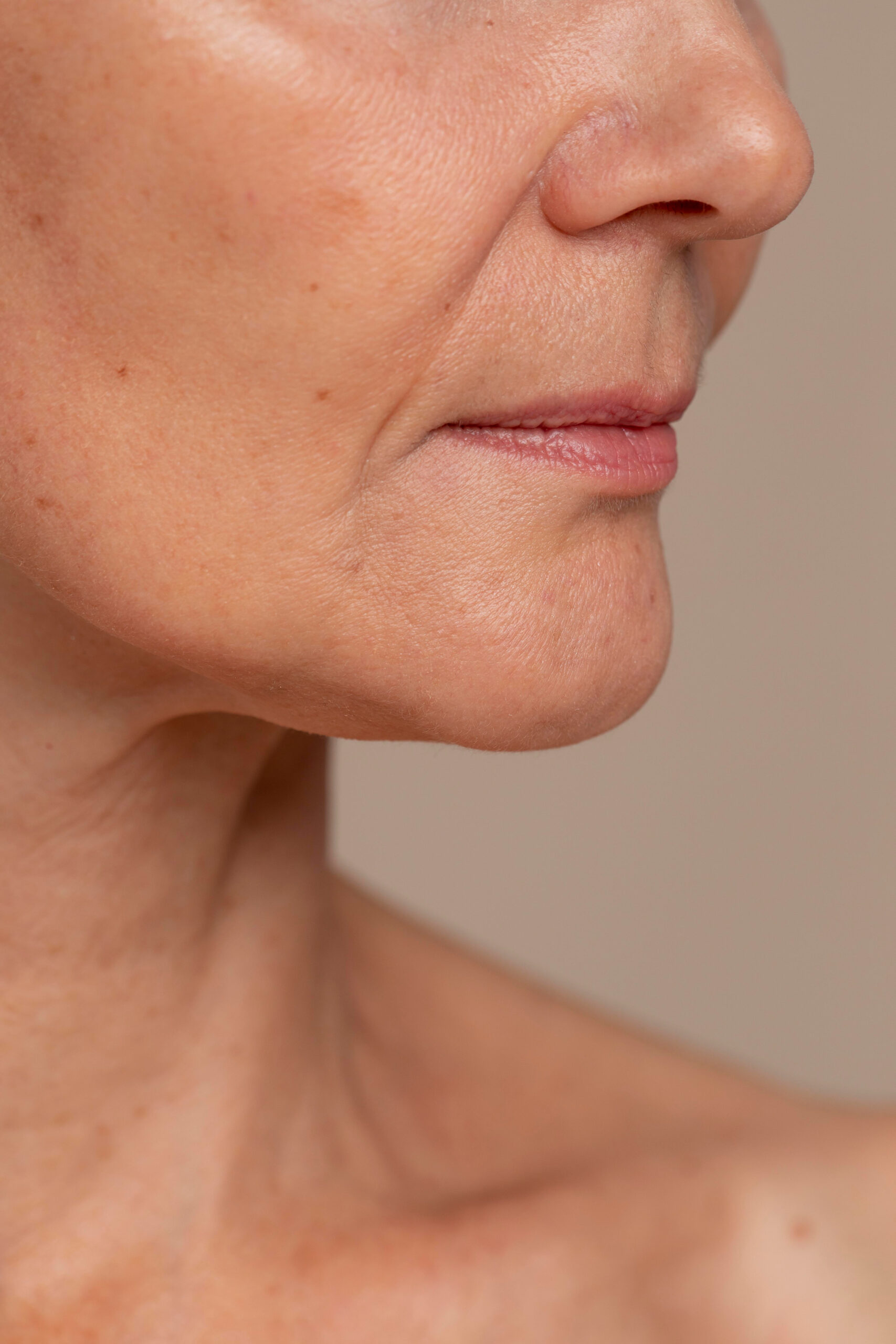
As we age, collagen and elastin production in our skin decreases, and they are the key proteins that keep skin firm and elastic. The skin also becomes thinner and drier over time, making it more prone to developing fine lines and wrinkles. Age-related volume loss on our face also contributes to the formation of more permanent folds and creases.
Chronic exposure to ultraviolet (UV) rays is one of the leading causes of premature skin ageing. UVA rays can penetrate deeply into the skin, causing the breakdown of collagen and elastin fibres, leading to wrinkles, fine lines, and skin laxity. This is why wrinkles often appear more prominently in sun-exposed areas such as the face, neck, and hands.
Repeated facial expressions such as smiling, frowning, or squinting can cause the skin to fold in the same areas. These expression lines form when the muscles under your skin contract, and may start as temporary creases, but can slowly become permanent over time as the skin loses support and volume beneath the surface. (source).
Certain lifestyle habits can accelerate skin ageing. Smoking reduces blood flow to the skin and damages collagen, while high sugar intake contributes to glycation, a process that weakens collagen fibres. Excessive alcohol consumption can also dehydrate the skin, making fine lines and wrinkles more noticeable over time.
External factors such as air pollution and prolonged exposure to blue light from electronic devices may contribute to oxidative stress in the skin. Oxidative stress may speed up collagen breakdown and worsen the appearance of wrinkles and fine lines, especially in urban environments like Singapore.
Hydration is the foundation to good skin. When the skin lacks moisture, it can appear dull and less plump, accentuating fine lines. While dehydration does not cause deep wrinkles directly, it can accentuate early signs of ageing and affect overall skin texture.
A range of medical aesthetic treatments may be used to target wrinkles and fine lines. These can include treatments to relax expression lines, restore lost volume, and other skin rejuvenation treatments to improve overall skin texture and quality. The goal is to achieve natural-looking results while maintaining facial harmony.
Your doctor will first assess your skin, concerns, and treatment goals, including evaluating areas with fine lines, deeper wrinkles, and skin laxity. Your doctor will recommend suitable treatments like skin tightening, injectables, or laser treatment for face wrinkles based on your needs.
Depending on the chosen treatment, numbing cream may be applied to ensure that the treatment is a comfortable one. Procedures such as injectables, energy-based devices treatments, or laser treatments typically have zero to minimal downtime.
After treatment, patients are given tailored aftercare instructions to support healing for optimal results. This may include avoiding excessive sun exposure, applying sunscreen regularly, using gentle skincare products, and avoiding certain medications for the next 24 hours. Even if there are side effects like mild swelling after skin tightening or redness after laser skin tightening, they are transient and will resolve on their own in a few hours or within a few days.
Treatments are generally well tolerated and comfortable, and the treatment experience and pain management protocol will differ depending on the treatment prescribed. For instance, the doctor will ice the treatment area before botulinum toxin injections and patients will feel a short, sting to the skin during injection. Your doctor will give more information during consultation and prepare you based on the treatment prescribed.
Costs vary depending on the type of treatment, areas treated, and number of sessions required. For a detailed breakdown, you can refer to our price list. A personalised treatment plan and quote will be provided during your consultation.
This depends on your skin condition and the treatment prescribed. Some treatments like Ultherapy PRIME require one session done on an annual basis, while others like botulinum toxin injection may require repeated sessions after every two ot three months to maintain the results. Your doctor will provide more information during consultation as it depends on the treatment prescribed for you.
The side effects vary widely depend on the treatment prescribed and your doctor will provide more information during consultation. For instance, there is no downtime associated with botulinum toxin wrinkle and fine line treatments. There is also no downtime for dermal filler injections although there may be some pin prick marks on your skin post-treatment but they will resolve on their own within a day.
You may experience some slight swelling after Ultherapy PRIME which will go away in a few days. As a result, it is more practical for you to consult a doctor who will address this concern based on the treatment prescribed, how side effects can be minimised, and provide post-treatment care tips for the treatment prescribed.
Most treatments are suitable for a wide range of skin types when performed by a qualified doctor. We recommend that you consult your doctor who will assess your skin and your concerns before prescribing a safe treatment suitable for you.
Yes, many treatments can be combined to achieve the desired results. For example, injectables may be paired with laser or energy-based skin rejuvenation treatments. Your doctor will recommend a suitable combination based on your goals and skin condition.