How does laser skin resurfacing work?
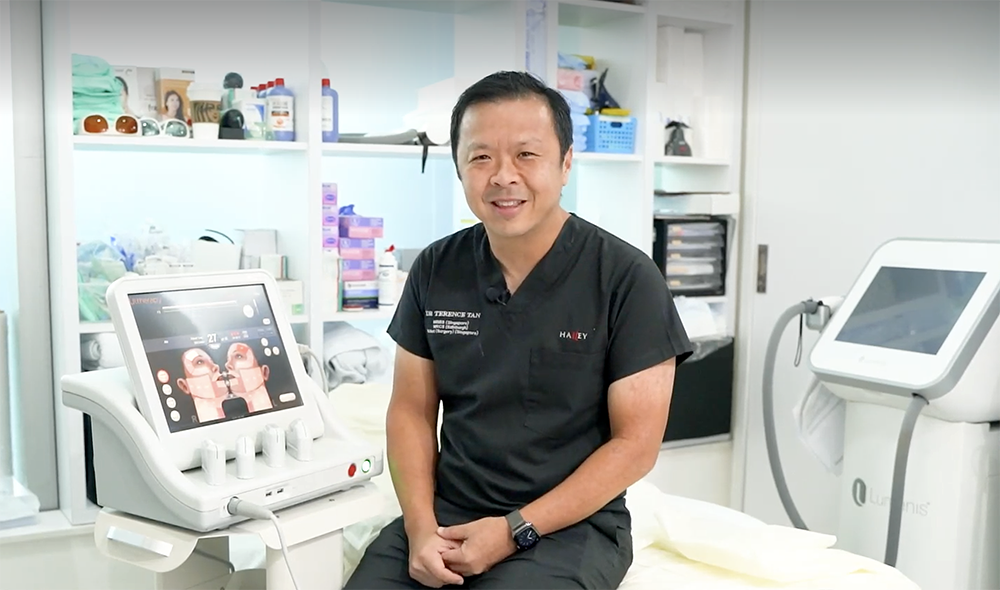
Before we dive into the differences between Fractional Erbium and Fractional CO2 Lasers, it helps to understand how laser skin resurfacing works and how it supports skin renewal at a structural level.
Understanding the science behind laser skin resurfacing
Skin resurfacing lasers are designed to deliver focused light energy to specific layers of the skin. This energy is primarily absorbed by water within the skin tissue, creating controlled microscopic injuries that stimulate the body’s natural repair mechanisms.
As part of this response, older surface cells are replaced, and the collagen remodelling process is activated. Collagen is a naturally occurring protein that provides structure, firmness, and support to the skin. By encouraging the skin to produce more collagen, laser resurfacing supports gradual improvements in skin texture and elasticity, helping the skin appear smoother and more resilient.
Resurfacing lasers are also broadly categorised into two groups. Ablative lasers remove thin layers of the skin’s surface to initiate regeneration, while non-ablative lasers work below the surface without removing visible layers. Fractional Erbium and Fractional CO2 Lasers fall under the ablative category.
Fractional Erbium Laser: For controlled resurfacing with less heat
Fractional Erbium Lasers use Erbium-doped Yttrium Aluminium Garnet (Er:YAG) technology to deliver light energy at a wavelength of 2940 nanometres (nm). This wavelength is absorbed almost immediately by water within the skin, allowing the energy to be rapidly absorbed while limiting heat from spreading to the surrounding tissues. This supports controlled tissue ablation with minimal thermal damage.
The energy from the Fractional Erbium Laser is also delivered in a fractional or grid-like pattern, creating microscopic treatment zones surrounded by untouched skin. This arrangement generates less residual heat, supporting faster healing of the treatment area and reducing overall laser treatment downtime.
Fractional CO2 Laser: For deeper resurfacing and tightening

The Fractional CO2 Laser emits light at a wavelength of 10,600 nanometres. While this wavelength is also absorbed by water in the skin, the interaction occurs more gradually, with greater thermal spread as compared to erbium laser systems. It produces a greater zone of thermal coagulation around the treated tissue and this thermal diffusion allows heat to extend deeper into the dermis. This deeper heating causes proteins and collagen fibres to denature, prompting a more intense collagen remodelling and regenerative response over time.
When comparing Fractional Erbium Laser vs Fractional CO2 Laser, this stronger thermal effect is often associated with more noticeable tightening and structural change but also with longer recovery. The increased heat means the skin requires more time to restore its barrier and regulate pigmentation.
Fractional Erbium Laser vs Fractional CO2 Laser: An overview
While the Fractional Erbium Laser and Fractional CO2 Laser are both used for skin resurfacing, they are better suited for different skin concerns and types.

Which skin types are suitable for each laser treatment?
When evaluating Fractional Erbium Laser vs Fractional CO2 Laser treatments, Er:YAG systems are often considered more adaptable across a wider range of skin tones. The lower thermal impact reduces the likelihood of pigment disruption, which is especially relevant for individuals with medium to darker complexions.
Fractional Erbium Lasers may also be considered for those with sensitive or reactive skin, as reduced heat lowers the risk of prolonged redness. The controlled depth of ablation makes Fractional Erbium Laser resurfacing suitable for delicate areas such as the neck or periorbital region.
On the other hand, doctors may adjust settings more conservatively or consider alternative options when using Fractional CO2 Laser on darker skin tones, as higher melanin levels can increase the risk of post-inflammatory hyperpigmentation or hypopigmentation.
When considering Fractional Erbium vs Fractional CO2 Lasers, doctors typically assess the patient’s pigmentation history, healing response, and skin type before recommending one over the other.
What skin concerns do they address?

Er:YAG lasers are more commonly used to address fine lines, mild wrinkles, uneven tone, and early textural changes. It may also help improve the appearance of superficial acne scars and enlarged pores.
Fractional CO2 Lasers are often recommended for deeper wrinkles, more pronounced acne scars, and significant textural irregularities. The deeper thermal effect may also be considered when mild laxity is present as part of age-related collagen decline.
In some cases, laser treatment plans may involve staged or combined approaches rather than choosing between the Fractional Erbium Laser and Fractional CO2 Laser. This allows doctors to target multiple layers of the skin over several sessions, offering a more comprehensive approach to skin rejuvenation. Not all lasers are performed during the same session, as treatment timing depends on the skin’s recovery needs.
Which treatment is more painful?
Both Fractional Erbium Laser and Fractional CO2 Laser systems can produce sensations such as warmth, tingling, or mild stinging during the procedure. However, many individuals report Er:YAG Lasers being more comfortable because they generate less surrounding thermal heat.
Several factors influence the experience, including the settings used, the area being treated, and individual pain tolerance. Doctors will also apply topical anaesthetic creams before the procedure to minimise discomfort.
Make sure you communicate with your doctor. This allows adjustments to be made where appropriate, ensuring the procedure is a comfortable one.
What are the side effects of the Fractional Erbium Laser vs Fractional CO2 Laser?
Short-term reactions
Temporary redness, mild swelling, and a “sandpaper-like” skin that may be sensitive to touch are common after the Fractional Erbium Laser and Fractional CO2 Laser treatments. Mild flaking or peeling may occur as part of the skin renewal process. These reactions reflect the skin’s normal response to resurfacing.
Pigmentation changes
Some patients may experience pigmentation changes, which doctors will advise on during your consultation on Fractional Erbium Lasers vs Fractional CO2 Lasers. Some individuals may experience temporary darkening (hyperpigmentation) or lightening of treated areas (hypopigmentation). These changes usually resolve with time but require diligent sun protection and proper aftercare.
Infection risk
As resurfacing lasers temporarily disrupt the skin barrier, there is a small risk of infection if you do not follow your doctor’s post-treatment care instructions. Keeping the area clean and using prescribed topical products help minimise this risk.
Prolonged redness or scarring
Persistent redness may last longer after Fractional CO2 Laser sessions due to its stronger thermal impact. Scarring is uncommon but can occur if healing skin is disrupted during recovery.
Which type of laser has shorter downtime?
A crucial difference between Fractional Erbium Laser and Fractional CO2 Laser treatments is recovery time. Er:YAG Lasers generally involve shorter downtime, with redness and peeling lasting around three to seven days for most individuals, depending on treatment intensity.
Fractional CO2 Lasers, on the other hand, typically require a longer recovery period. Surface healing often takes one to two weeks with some skin redness which will resolve on its own as the skin regenerates.
When laser resurfacing may not be the first treatment of choice

While Fractional Erbium Laser and Fractional CO2 Laser treatments can support skin renewal for many individuals, they may not always be the first choice of treatment. This is because certain skin conditions, lifestyle factors, and individual goals may require alternative treatments rather than laser skin resurfacing.
1. Active or unstable skin conditions
Laser resurfacing is not suitable when the skin barrier is already compromised. This happens if the patient has:
- Active acne or inflammatory breakouts
- Skin infections, open wounds, or eczema flare-ups
- Recent irritation from overuse of active skincare products
It is recommended that you resolve these issues first before considering either a Fractional Erbium Laser or Fractional CO2 Laser to avoid worsening the inflammation, prolonging healing time, and to reduce infection risk. Consult your doctor if you are unsure if this treatment is suitable for you.
2. Pigmentation-sensitive skin concerns

Some pigmentation conditions require cautious management, particularly those that react to heat. Laser resurfacing may not be first-line treatment for individuals with:
- Melasma or hormone-related pigmentation
- A history of post-inflammatory hyperpigmentation (PIH)
- Uneven skin tone that is more prone to changes caused by inflammation
In such cases, doctors may first focus on stabilising pigmentation and strengthening the skin. They may also recommend other laser treatments for pigmentation, including Pico Lasers or Intense-Pulsed Light (IPL) therapy.
3. Lifestyle and recovery considerations
Lasers require proper aftercare to support healing and reduce complications. Resurfacing may be postponed if:
- You have an upcoming work or social commitments that make downtime undesirable
- Sun avoidance and consistent aftercare are difficult to maintain
- The short-term skin redness or peeling during the healing process is something you prefer to avoid
You may wish to discuss with your doctor on how you can achieve the desired result with other lasers or treatments.
Frequently asked questions
1. Can laser resurfacing be combined with other treatments?
Yes. Laser resurfacing may be combined with other aesthetic therapies such as skin boosters, serum infusion, or facials so as to improve overall skin quality and achieve a more dramatic result. However, you may have to give your skin some time to heal before you can proceed with other complementary aesthetic treatments. This avoids stressing your skin and minimising infection.
Giving it time to heal also preps your skin to absorb the benefits of the other complementary aesthetic treatment. Your doctor will prescribe the desired treatments and sequence them according to your skin condition, healing time required, and the type of treatments involved.
2. How long do the results of Fractional Erbium and Fractional CO2 Laser treatments last?
Results from laser skin resurfacing develop progressively as the skin heals and remodels collagen. How long these results last depends on factors such as treatment intensity, adherence to your prescribed regimen, consistency in post-treatment care, and ongoing exposure to environmental factors like sun exposure. When you follow the treatment schedule recommended by your doctor, improvements typically become more noticeable around three months after your final session.
However, it is recommended that you visit your doctor every six months for “refresher” laser treatment to maintain and prolong the results. This is because, as we age, our skin’s ability to generate collagen and renew itself slows down. If in doubt, speak to your doctor about a laser schedule suitable for your skin.
3. How should I prepare for my laser sessions?
Before your laser procedure, avoid excessive sun exposure, stop certain skincare products (like retinoids) for a few days, and keep the skin well-hydrated. Your doctor may also prescribe antiviral or antibacterial medications if needed for your skin condition.
4. How many laser resurfacing sessions are usually needed?
The number of sessions varies depending on the laser type used, your skin condition, and your desired result. While some individuals may see some improvement after a single session, others may be required to complete a series of treatments spaced several weeks apart before visible results. Your doctor will recommend a regimen based on how your skin responds and the amount of resurfacing required.
5. Can laser resurfacing be done on areas other than the face?
Yes. Fractional Erbium and Fractional CO2 Lasers can also be done on the neck and hands, where signs of ageing tend to be more obvious. Your doctor will assess your suitability during the consultation and adjust the laser power and settings for these areas, as the skin may be thinner or heal differently compared to the face.
6. When can you resume using skincare products after laser resurfacing?
You may, and you should, resume your skincare routine immediately after your laser resurfacing treatment. However, your skin is more sensitive post-treatment, so you should avoid exfoliants and AHA products as they can stress the skin further and extend the healing period. Use gentle cleansers and moisturisers with active ingredients that promote healing and soothe the skin. Protect your skin by putting on sun protection every day before heading out.
Choosing the right approach with Halley Medical Aesthetics
Both Fractional Erbium and Fractional CO2 Lasers play important roles in skin resurfacing, but they may not be suitable for every individual. Your desired result, skin condition, chances of developing hyperpigmentation or hypopigmentation, and whether you are comfortable with the downtime are things that should be discussed with your doctor during consultation. A personalised assessment ensures that laser resurfacing is introduced at the right intensity and timing, supporting outcomes that align with your skin’s needs rather than a one-size-fits-all approach
At Halley Medical Aesthetics, our doctors take time to assess your skin condition, medical history, and treatment preferences before making a recommendation. This careful evaluation helps ensure that your treatments are planned with both skin safety and realistic outcomes in mind. To find out which laser option may be suitable for your skin concerns, contact us to arrange a consultation today.