
Key takeaways
- Laser stacking uses multiple laser modalities in one plan to address different layers of the skin.
- This approach can target concerns such as pigmentation, uneven texture, and skin laxity.
- The safety of the procedure depends on proper device selection, sequencing, and skin assessment.
- Combination plans can be complemented with supportive skincare or other non-laser treatments.
Introduction
Skin concerns rarely exist in isolation. Pigmentation may appear alongside enlarged pores, while fine lines may be accompanied by uneven texture. For this reason, many people are opting for treatment approaches that look beyond one isolated concern and consider the skin more holistically. One method that reflects this shift is laser stacking, which uses different laser modalities to treat various layers of the skin.
In the following sections, we take a closer look at how this treatment approach works and the role it may play in comprehensive skin rejuvenation.
What is laser stacking?

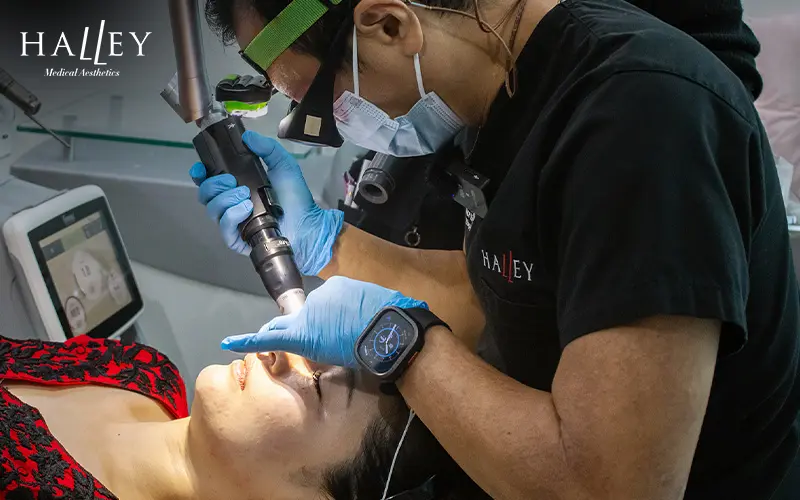
Laser stacking refers to the use of two or more laser technologies within the same session or across separate, carefully scheduled sessions. Each device operates at a distinct wavelength, allowing the doctor to work across different depths, from the epidermis to the deeper dermis, within one therapy plan.
A typical sequence may involve the following:
- Pico Laser: Often used at the start of the session, Pico Laser treatment targets pigmentation and surface irregularities with ultra-short pulses that break up pigment while preparing the skin for deeper treatments.
- Fractional Laser: This is followed by Fractional CO2 Lasers, which create microscopic columns in the skin to support renewal in the deeper layers. They are commonly selected for textural concerns, mild scarring, or fine lines that sit beneath the surface. Do note that fractional laser treatments may be scheduled in a separate session rather than on the same day due to their ablative nature and higher recovery demands.
- Long-pulsed Lasers: Alternatively, long-pulsed lasers may be used to deliver controlled heat in even deeper structures, supporting collagen and improving firmness over time without disrupting the surface layer.
Using a combination of laser treatments with different depths of action allows doctors to create a more cohesive treatment plan than relying on a single device alone. Some combinations, particularly those involving ablative lasers, require intervals between sessions to allow the skin to heal and to minimise the risk of irritation, pigmentation changes, or delayed recovery. Always consult a doctor to make sure that your laser stacking treatments are properly assessed and planned according to your skin’s needs.
Who may be a good candidate for laser stacking?
Laser combination treatments may be suitable for individuals who:
- Have multiple skin concerns, such as pigmentation, fine lines, or rough texture
- Prefer non-invasive treatments with cumulative results
- Are comfortable with gradual improvement rather than immediate changes
- Want a more comprehensive plan rather than single-laser sessions
A consultation helps determine whether the method aligns with your skin condition, goals, and tolerance levels.
Potential benefits of a multi-laser approach
A therapy plan with different laser combinations can offer several potential advantages:
1. Broader skin rejuvenation
Since each laser targets a different layer or type of concern, combining them allows doctors to work on pigmentation, fine lines, enlarged pores, and uneven texture within a coordinated plan. This can be especially helpful for individuals whose concerns are interconnected or span multiple layers of the skin.
2. Collagen support at multiple depths
Some lasers act closer to the surface, while others reach deeper into the dermis. Using a combination enables collagen stimulation at various levels, which may contribute to improved firmness and smoother-looking skin over time. This layered effect is not easily achieved through a single modality.
3. Customisable treatment plans
No two skin types respond in exactly the same way. Combining lasers gives doctors flexibility to adjust the type of modality, energy settings, number of passes, and timing based on an individual’s tolerance, goals, and ongoing response. This allows your doctor to adjust the treatment plan across sessions when needed.
Is laser stacking safe?
The safety of a multi-laser plan relies on careful assessment and calibrated settings. Doctors will also determine whether treatments should be performed in the same session or spaced across multiple visits, depending on skin response and recovery needs. Before combining modalities, they will typically:
- Evaluate skin tone, sensitivity, and medical history
- Determine which wavelengths can be paired safely
- Adjust energy settings to avoid excessive heat
- Space treatments appropriately so the skin has time to heal between sessions
When performed by experienced practitioners, these treatment plans can be carried out safely. The focus is always on respecting the skin’s natural recovery timeline and ensuring that each wavelength is used appropriately.
Can laser stacking be combined with other skincare approaches?

Multi-laser treatment plans often work best when supported by a broader routine. Treatments and products focused on hydration and reinforcing the skin barrier help speed recovery and soothe the skin, while brightening serums may complement pigment-targeting treatments.
Doctors may also include non-laser procedures at separate visits, such as:
- Skin boosters: These microinjections deliver hydrating ingredients into the skin to support suppleness and overall skin balance between laser sessions.
- Chemical peels: Gentle resurfacing solutions can help clear surface buildup and improve absorption of topical products, complementing deeper laser work.
- Low-level laser light therapy: Low-energy light treatments may be used to calm the skin or support recovery processes without adding thermal stress.
These additions aim to support the skin’s renewal cycle while keeping the overall plan paced and manageable.
Finding What Feels Right for Your Skin
Skin concerns can affect how you feel day to day, and it is natural to want an approach that considers more than just one issue at a time. With laser stacking, you can address several concerns gradually, giving your skin space to adapt while keeping your long-term goals in sight.
At Halley Medical Aesthetics, we aim to help you feel informed and supported as you explore what might work for your skin. If you are wondering whether a combination plan could be suitable, a consultation can help you understand how different treatments may fit into your routine and long-term plans. Get in touch to explore your options today.


