Key takeaways
- Uneven skin texture can appear rough, dull, or bumpy due to acne scars, enlarged pores, sun damage, or ageing.
- Gentle daily habits such as exfoliation, hydration, and sun protection can help support smoother-looking skin.
- Professional procedures, like laser resurfacing and skin booster treatment in Singapore, offer options for those looking for skin rejuvenation and acne scar solutions.
- A professional consultation ensures treatment is tailored to your individual skin condition and goals.
Introduction
It’s frustrating when you catch your reflection in the mirror and notice that your skin doesn’t feel as smooth as you want it to be. You’ve likely tried a few things, but those rough patches, bumps, and pores just seem to stay. The truth is, uneven skin texture is a common challenge for many in Singapore, whether it’s from old acne scars, large pores, or the natural signs of ageing.
Fortunately, there are ways to address it. Here, we examine the factors behind these textural concerns and some options for managing this concern.
What causes uneven skin?
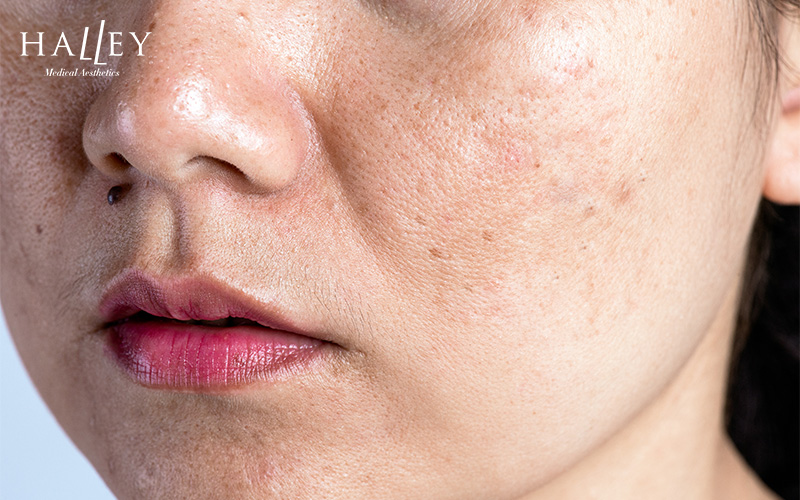
Uneven skin texture is usually the result of several overlapping factors that change how your skin looks and feels. This includes:
- Build-up of dead skin cells: Our skin naturally sheds old cells to make way for new ones in a process known as cell turnover. But when this renewal process slows, whether due to stress, hormones, lack of sleep, or pollution, dead cells build up on the skin surface. This can leave the surface looking dull, rough, and uneven.
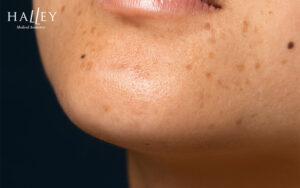
- Acne scars and enlarged pores: Past breakouts can leave marks on the skin surface; inflammation from pimples can damage the deeper layers of skin, causing textural issues like pitted acne scars or uneven patches. Visibly large pores can also disrupt the skin’s smooth surface. These changes may be intensified by sun exposure over time.
- Loss of collagen with age: Collagen helps keep your skin firm, plump, and smooth. As you age, your skin gradually loses collagen and elasticity, leading to fine lines, wrinkles, and sagging that contribute to uneven skin texture.
Daily skincare habits to enhance texture
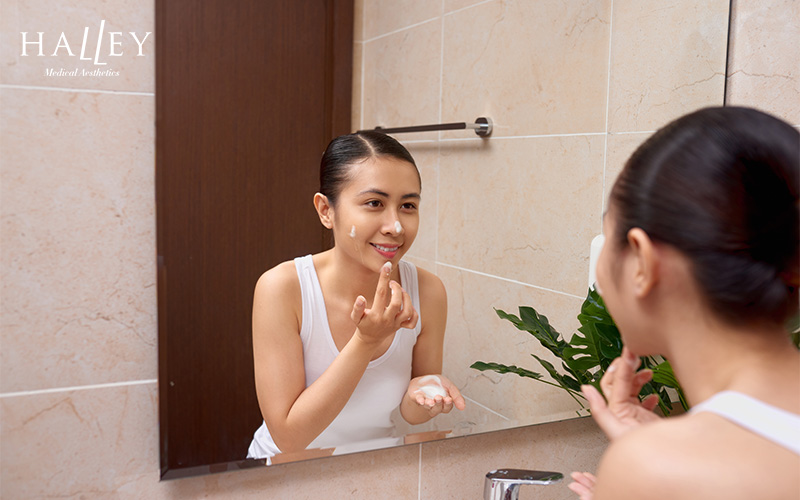
While some causes of textural changes run deeper, your daily skincare routine can help maintain a healthier surface.
1. Incorporate gentle exfoliation
Regular, non-aggressive exfoliation can help remove dead skin cells that can dull your complexion and make the skin feel rough. This encourages natural cell renewal and enhances your skin’s ability to absorb skincare products. Consider:
- Chemical exfoliants like Alpha Hydroxy Acids (AHAs) or Polyhydroxy Acids (PHAs). These exfoliate without physical abrasion, making them suitable for most skin types.
- Physical exfoliants, like scrubs. Be gentle and avoid over-scrubbing or over-exfoliating the skin—these can cause skin irritation and damage to the skin barrier.
2. Keep your skin hydrated
Hydrated skin is plump and smooth. Try lightweight moisturisers that contain hyaluronic acid, ceramides, or glycerin, which help your skin retain moisture. Stay away from skincare products that contain harsh alcohols or fragrances, which can dry out the skin, and avoid over-cleansing to maintain a healthy skin barrier.
3. Be consistent with sun protection:
Your skincare routine is not complete without sunscreen. Ultraviolet (UV) rays cause collagen breakdown and long-term skin damage, leading to uneven skin texture, fine lines and wrinkles, and pigmentation. Make sure to apply a broad-spectrum skincare of at least SPF 50+++ to prevent damage from UV rays, which can worsen roughness, scarring, or pigmentation.
While these habits won’t address uneven skin texture on their own, they support overall skin health and complement any professional care you may choose later.
What are the skin renewal treatments available in Singapore?
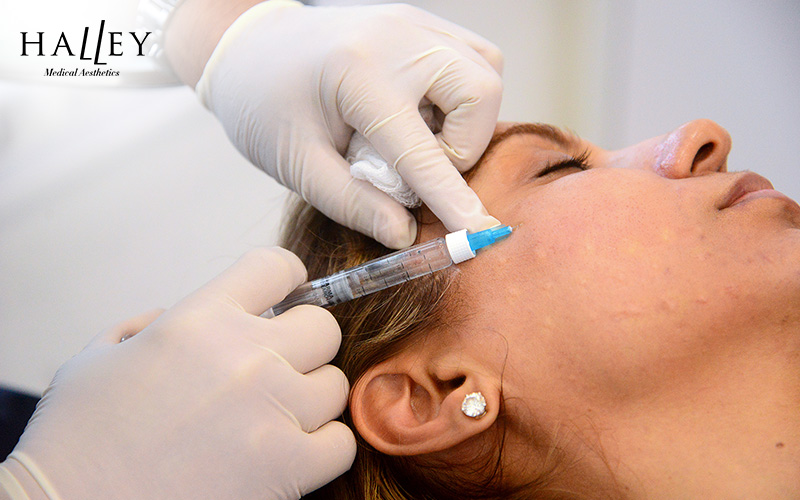
When daily care is not enough, professional treatments can provide additional support for specific skin concerns.
Skin boosters for hydration and repair
Skin boosters, for example, are injectable treatments designed to deliver ingredients directly into the deeper layers of the skin. Unlike topical products, which mainly work on the surface, skin boosters help restore hydration from within and support the skin’s natural renewal processes.
A typical skin booster treatment involves a series of microinjections across the face, neck, or other areas where the skin appears dull or dehydrated. The treatment can be customised based on skin type, condition, and desired outcome.
Certain formulations are also created with specific concerns in mind. Skin boosters for acne scars often contain Polynucleotides (PN), which are DNA fragments extracted and purified from salmon DNA. These molecules are known to help repair and regenerate skin cells as part of the skin’s natural renewal process. These treatments are also formulated with a higher viscosity compared to standard boosters, making them more suitable for individuals with depressed acne scars.
Laser skin resurfacing treatments
For individuals with more prominent textural irregularities or acne scars, skin resurfacing lasers may be another suitable option. These treatments work by creating controlled micro-injuries on the skin surface, prompting the body’s natural healing response. As new collagen forms, the skin gradually becomes smoother and more refined in texture.
Different types of resurfacing lasers are used depending on the individual’s needs and skin type:
- Fractional Erbium Lasers: These remove fine layers of skin with minimal heat, making them suitable for mild to moderate unevenness and for individuals with sensitive or darker skin tones.
- Fractional CO2 Lasers: These penetrate deeper into the skin and are typically recommended for more severe textural issues, such as deeper acne scars. They can help remodel collagen and improve the overall quality of the skin’s surface over time.
In some cases, a combination of laser resurfacing and skin boosters may be used to achieve complementary results.
As every individual’s skin is different, a doctor’s assessment is important to ensure that treatment plans are both safe and tailored to your specific needs and goals.
Finding targeted solutions for your skin’s needs
Uneven skin texture is a concern faced by many, but it does not have to be permanent. Simple daily care combined with professional guidance can go a long way in supporting healthier skin over time.
At Halley Medical Aesthetics, your safety and unique skin needs are our priority. Our doctors take the time to assess your condition and recommend treatments that are tailored specifically to you. If you are ready to explore your options, book a consultation with us today and take the first step towards a personalised plan for your skin.