Key Takeaways
- Excessive exposure to the sun can lead to uneven skin pigmentation, fine lines, or persistent dryness.
- Spotting these signs early allows you to take action before concerns worsen.
- Skin booster treatments designed to enhance hydration and skin texture may help manage some effects of sun exposure.
- Sun protection, such as wearing broad-spectrum sunscreens daily, is key to preventing further damage.
Three warning signs of sun-damaged skin
In Singapore’s year-round tropical climate, it’s nearly impossible to avoid the sun. While short exposure gives you warmth and a temporary tan, long hours outdoors can quietly leave their mark on your skin. Over time, ultraviolet (UV) rays may cause what’s known as sun-damaged skin: a set of visible changes that affect both appearance and texture.
Recognising these signs early matters. Here are three common signs to look out for, along with actionable steps you can take to address and prevent them.
1. Uneven pigmentation and discolouration
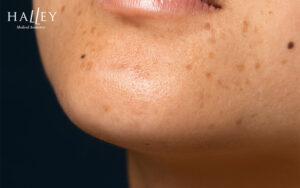
If you’ve noticed freckles that seem darker or new spots that don’t fade, these could be early signs of pigmentation from sun exposure. The skin produces melanin to defend itself against UV rays, but repeated exposure can cause it to cluster unevenly.
Over time, this may appear as age spots, patchy discolouration, or uneven tone that persists even when your tan is long gone.
2. Fine lines and changes in skin elasticity
Collagen and elastin are the proteins that keep skin firm and smooth. Prolonged sun exposure can break them down in a process known as photoageing, leading to fine lines, wrinkles, or sagging skin. Areas that get the most sunlight, such as the face, neck, and hands, are often the first to show these changes. While ageing naturally plays a role in collagen reduction, UV rays accelerate the process, making lines and textural changes appear earlier than expected.
3. Persistent dryness and rough texture
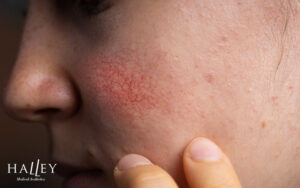
Another common outcome of UV-related skin damage is a change in texture. UV rays can weaken the skin’s natural barrier, making it harder to lock in moisture. Even with regular moisturiser, your skin may feel dry and rough, or appear dull.
Actionable steps to manage sun-damaged skin
If you are noticing changes in skin texture, tone, or hydration from sun damage, there are treatment options that can help manage these concerns. Sun-damaged skin can be managed through a combination of skincare and in-clinic treatments that work together to improve skin health.
Topical skincare products
Antioxidants such as vitamin C serums can be a good addition to your routine. They help protect the skin against environmental stressors while supporting a brighter and more even tone to keep UV-induced pigmentation under control.
Additionally, hydrating products rich in hyaluronic acid, ceramides, and glycerin can strengthen the skin barrier and reduce dryness. They can also enhance the skin’s ability to retain moisture over time.
Skin boosters
If your skin requires deeper hydration, in-clinic treatments like skin boosters may also be considered.
- The Longevity Skin Booster is a hyaluronic acid treatment that replenishes moisture and smooths the skin without adding volume. It plumps, smooths, and restores skin radiance with effects that can last for several months.
- Hyaluronic Acid (HA) Skin Boosters formulated with glycerol help improve hydration, firmness, and texture, especially for individuals whose skin is showing early signs of photodamage. This can help soften roughness and refine overall texture.
Rejuvenation treatments
Your doctor may also recommend other skin rejuvenation treatments that address visible signs of sun damage and help restore smoother, firmer, and more radiant skin. A consultation and thorough skin assessment with a doctor is required to check your suitability for the treatment.
- Treatments such as Ultherapy PRIME, HIFU, XERF, and RF microneedling stimulate collagen production to improve fine lines, wrinkles, and skin laxity caused by UV damage. By delivering energy deep into the dermis, they encourage collagen renewal, resulting in firm, lifted, and youthful-looking skin over time.
- For those with pigmentation caused by UV rays, treatments like pico laser, RF microneedling, and Intense Pulsed Light (IPL) break down excess melanin and stimulate skin regeneration. They are designed to brighten dull complexions and promote a more even skin tone.
- Exosomes support skin recovery, calm inflammation, and enhance post-treatment healing. They can also restore radiance and smoothness to skin that has been compromised by UV exposure.
Sun protection tips and habits for prevention

To prevent sun-damaged skin, prevention is key. Here are some simple tips you can follow:
- Apply a broad-spectrum sunscreen (SPF 50 or higher) every day. Even on overcast days or while indoors near windows, UV rays can cause damage.
- Use lip balms with SPF, as the lips are also prone to sun damage and dryness.
- Wear protective clothing such as long sleeves, wide-brimmed hats, and sunglasses to shield your face and eyes from direct UV rays.
- Stay indoors when the sun is at its strongest, usually between 11 am and 3 pm in Singapore.
Adopting these daily habits not only helps reduce the risk of new pigmentation, lines, or dryness but also supports healthier-looking skin over the long term.
Don’t overlook the signs
Uneven pigmentation, fine lines, and dryness may seem minor at first, but they often point to deeper effects of sun exposure. By taking preventive steps now and seeking guidance when needed, you can help slow down the progression of sun-damaged skin and keep your skin healthier over time.
At Halley Medical Aesthetics, our doctors offer a range of evidence-based treatments designed to address a diverse range of skin concerns. Our treatment plans are also tailored to your individual needs, whether that involves improving hydration, managing pigmentation, or supporting your overall skin health.
Arrange for a consultation today, and let us determine the most appropriate options for you.