
Key Takeaways
- Hydration options range from traditional humectants to injectable treatments that support deeper moisture.
- Glycerine offers surface hydration for the skin and remains a useful part of daily routines.
- Understanding surface vs deep hydration can help individuals choose what best suits their needs.
- Injectable skincare treatments offer another way to address hydration and may be suitable for those noticing changes in texture or comfort.
- Combining topical care with skin boosters can create a more complete hydration plan.
Introduction
In Singapore’s warm, air-conditioned by day and humid by night climate, keeping your skin hydrated can be more challenging than it seems. While topical products formulated with humectants like glycerine have supported daily moisture needs for years, many individuals are now looking for solutions that go beyond the surface. Today, options like skin booster treatments offer another alternative to deep skin hydration, complementing the everyday benefits of topical ingredients.
Let’s take a look at how skin hydration has evolved and what this means for your routine.
Why hydration matters
Hydration plays a key role in keeping the skin functioning comfortably every day. When the skin has enough moisture, the outer layers are better able to stay smooth, flexible, and less prone to dryness or flakiness. When moisture levels drop, however, the skin may feel tight, appear dull, or become more sensitive to environmental changes, like air conditioning or humidity.
Glycerine: An essential humectant for the skin
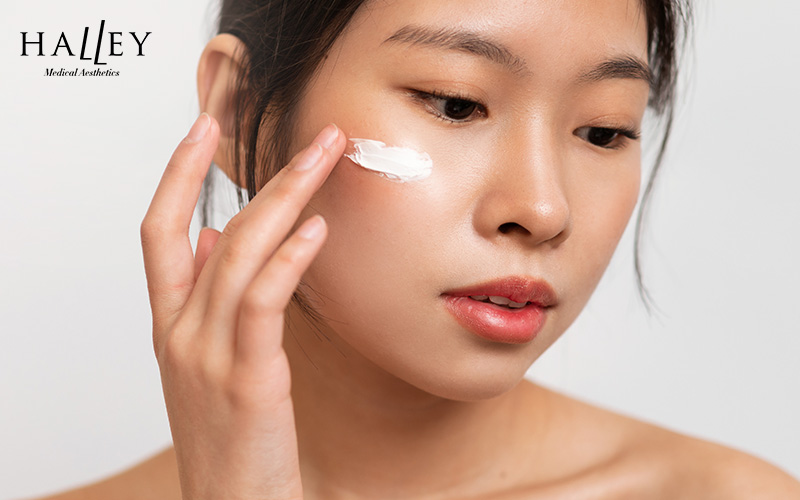
Glycerine is a humectant commonly used in everyday products such as moisturisers and serums. It works by attracting water from the environment and within the skin, drawing moisture towards the skin’s outermost layer. This helps the skin stay hydrated and reduces dryness.
Its effects, however, remain at the surface. Glycerine does not reach deeper layers of the skin, but it supports the skin barrier, keeps the skin soft, and complements other steps in a skincare routine.
How skin boosters work differently
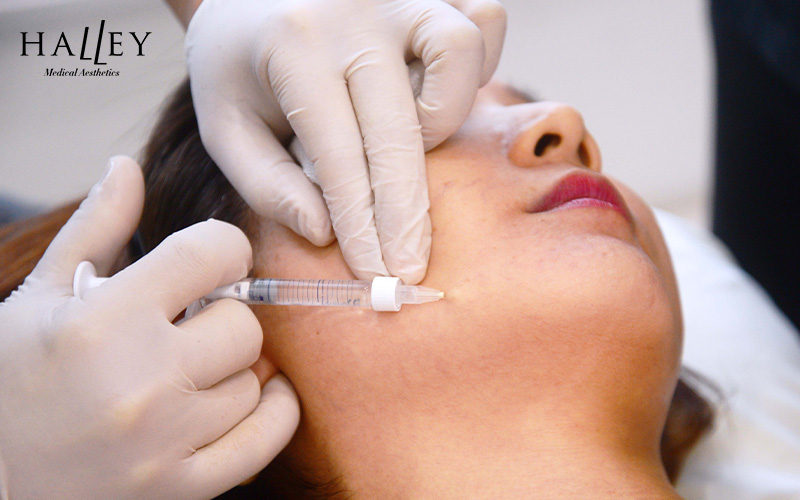
For individuals who wish to address concerns beyond surface dryness, injectable treatments like skin boosters may be considered. The procedure typically involves a series of small microinjections across the face to deliver ingredients into the skin.
Common types of skin boosters include:
Hyaluronic acid skin booster
Hyaluronic acid (HA) is a water-binding molecule naturally found in the body. When introduced into the skin through microinjections, HA can help the tissue retain moisture. This may help the skin feel more supple throughout the day, especially for those who experience dryness despite consistent use of moisturisers.
PN/PDRN Skin Booster
Polynucleotides (PN) or polydeoxyribonucleotide (PDRN) are molecules that can support a healthy environment for the skin’s natural regeneration processes. When injected into the skin, PN/PDRN Boosters may improve skin quality, help with hydration, and support repair mechanisms within the tissue. This can be useful for individuals who notice mild texture irregularities or early signs of ageing, and who want a treatment that complements their existing skincare routine.
Combining topical and professional care
A balanced routine often involves caring for the skin at multiple levels. Rather than viewing topical care and skin boosters as separate choices, many people combine both.
Topical products containing glycerine provide daily surface moisture for the skin, helping to manage dryness caused by air conditioning, heat, and regular cleansing. Skin boosters complement this by delivering ingredients into deeper layers of the skin. This approach can be helpful for individuals who continue to experience dryness or texture changes even with consistent use of moisturisers.
Additional tips for hydrated skin
- Incorporate gentle exfoliation: Mild exfoliation, whether through physical means or chemical peels, can help remove excess surface buildup and enable smoother absorption of products.
- Consider barrier-supporting ingredients: Ceramides, squalane, and fatty acids help reinforce the skin’s natural barrier, reducing moisture loss throughout the day. These ingredients pair well with glycerine for the skin and can help enhance comfort between skin booster sessions.
- Explore hydrating facials: Some individuals choose to complement their routine with facial treatments that support overall skin health. These may help maintain the skin’s comfort and appearance between booster sessions, depending on individual needs and suitability.
Crafting a skincare routine that works for you
From topical formulas featuring glycerine for skin to in-clinic treatments that address hydration below the surface, each option plays a different role in supporting skin comfort. Knowing when to rely on daily products and when to consider professional therapies can make a routine feel more balanced and personalised.
At Halley Medical Aesthetics, we can walk you through the different solutions available and craft a hydration plan that aligns with your concerns, preferences, and long-term goals. With the right approach, your routine can support your skin at every level, helping it stay comfortable and well cared for in Singapore’s changing environment.
Book a consultation with us today.


