What causes eye bags to form?
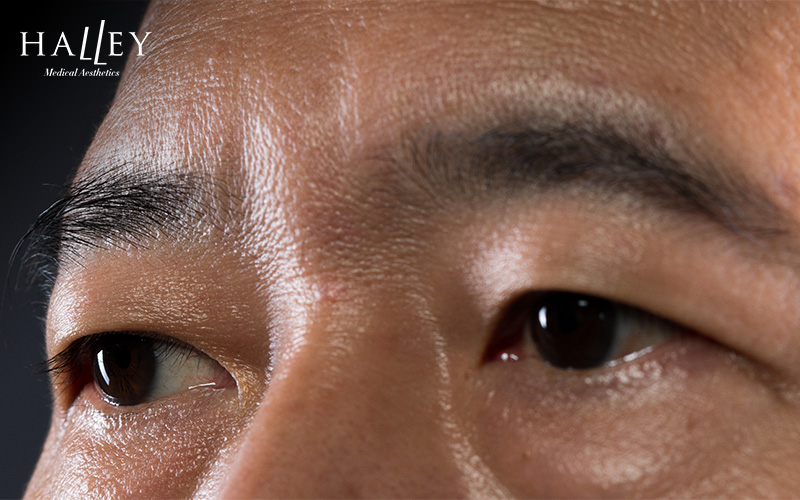
Eye bags form when the tissues around the lower eyelids lose firmness or when fat and fluid become more noticeable beneath the eyes. Before looking into how to remove your eye bags, it is helpful to recognise the factors that contribute to them.
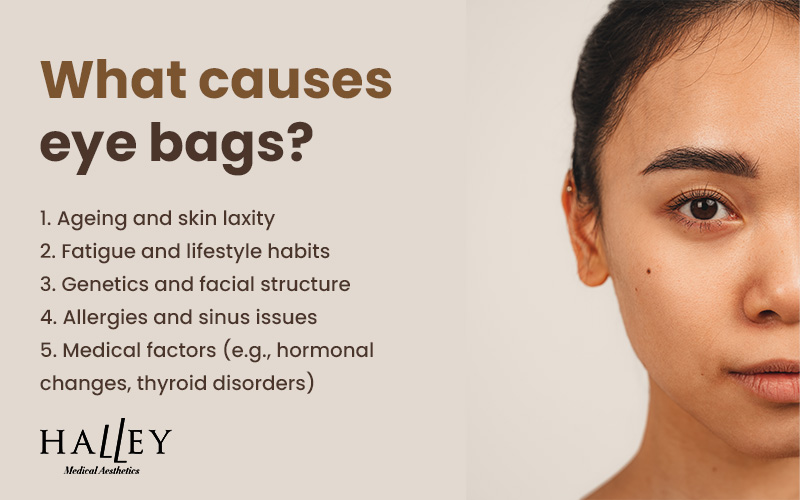
1. Ageing and skin laxity
Ageing is one of the most common contributors to under-eye puffiness. As collagen and elastin levels decline, the skin becomes thinner and less able to hold its structure. The fat pads that support the eyes may shift forward, creating bulges that look like eye bags.
2. Fatigue and lifestyle habits
Lack of sleep, stress, high-salt diets, alcohol consumption, and smoking can affect fluid balance in the body. This may lead to swelling and more visible puffiness in the under-eye area. While these factors do not usually cause long-term structural changes, they can make existing eye bags appear more pronounced.
3. Genetics and facial structure
Some individuals naturally have thinner skin or more prominent under-eye fat pads, which can make puffiness easier to spot. If close family members experience similar concerns, you may notice these changes earlier in life simply because your facial anatomy makes them more visible.
4. Allergies and sinus issues
Chronic sinus congestion and allergies can lead to inflammation around the eyes, which may cause the under-eye area to swell. When these conditions flare up, puffiness can become more noticeable and may vary throughout the day.
5. Medical factors
Certain health issues can also influence how the body regulates fluid and tissue changes around the eyes.
- Hormonal changes may affect water retention, which can make puffiness more noticeable during certain periods of the month, pregnancy, or menopause.
- Thyroid disorders can impact skin texture and tissue swelling, sometimes causing the under-eye area to appear fuller or more pronounced.
- Other medical conditions, such as kidney or autoimmune issues, may also contribute to persistent puffiness due to changes in fluid balance or inflammation.
When eye bags appear suddenly or are accompanied by other symptoms, a medical assessment is recommended before deciding on how to remove them.
How to prevent and remove eye bags
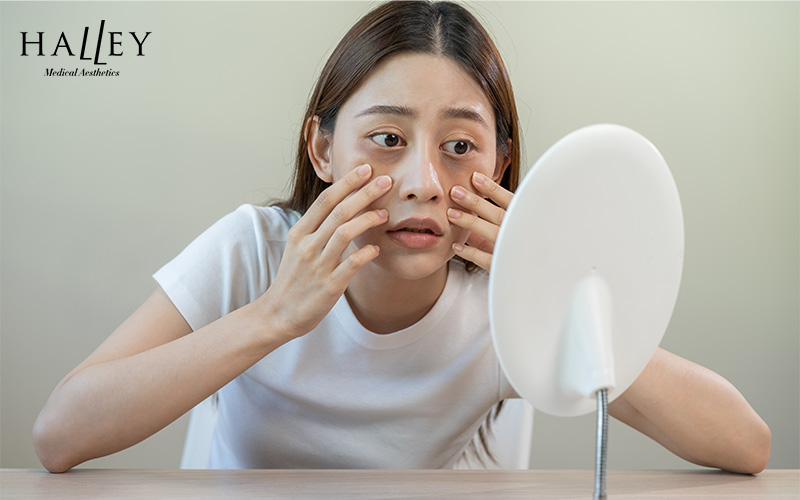
To remove stubborn eye bags, it’s important to consider both the daily habits that contribute to puffiness and the treatment options that address the underlying changes in the skin and tissues.
Lifestyle adjustments: How to remove eye bags at home
1. Prioritise sleep and hydration
Lack of sleep increases cortisol, inflammation, and fluid retention, which worsens undereye puffiness. Aim for consistent sleep patterns and seven to nine hours of rest each night. Pair this with steady hydration throughout the day to support healthy circulation and reduce fluid buildup that can make puffiness more noticeable.
2. Adjust your diet
Cut down on salty meals and limit alcohol, especially in the evening. Both can cause the body to retain water, which often shows up most clearly under the eyes the next morning.
3. Use cold therapy and gentle massage
Cold compresses constrict blood vessels, reduce swelling, and lessen inflammation. Apply a cold compress for a few minutes or use light, upward massage motions along the under-eye area. These steps can help stimulate lymphatic drainage and move trapped fluid. They are useful when you need quick, temporary relief.
4. Protect the area from sun exposure
Apply sunscreen around the eyes daily and wear sunglasses outdoors. Consistent protection helps slow collagen loss and premature ageing, which can reduce the speed at which under-eye puffiness and skin laxity become visible.
5. Adopt healthier habits
If you smoke, consider reducing or quitting, as smoking affects blood flow and the skin’s ability to stay firm. Incorporate stress-management routines such as stretching, mindfulness, or short breaks throughout the day. These habits support overall skin health and may complement other treatments to remove eye bags.
How to remove eye bags without surgery
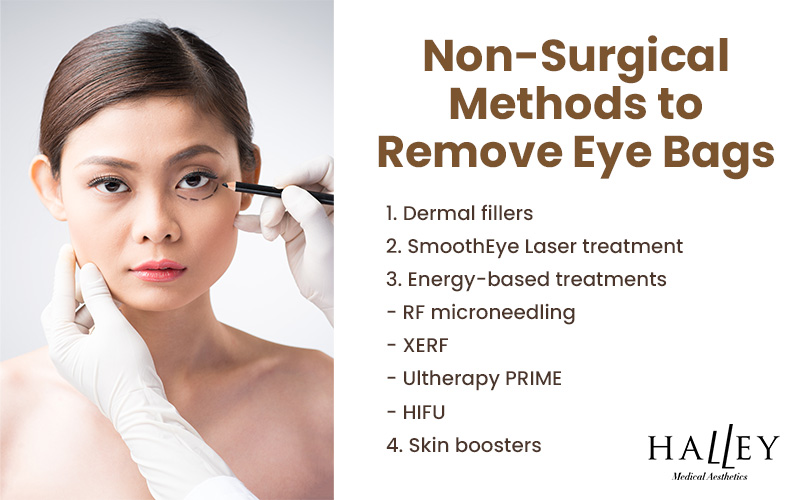
When lifestyle changes are not enough, many people may look to non-surgical solutions for eye bag removal. Below is an in-depth look at commonly used eye bag treatment options.
1. Dermal fillers
For individuals exploring how to remove eye bags, fillers may be recommended when hollowing is the main concern. When placed under the eyes, fillers can soften the transition between the lower eyelid and the cheek, which reduces shadowing and creates a more even contour. In particular, HA fillers are frequently recommended for eye bag reduction due to their anti-ageing properties, helping the skin appear smoother and more hydrated.
2. Laser treatments
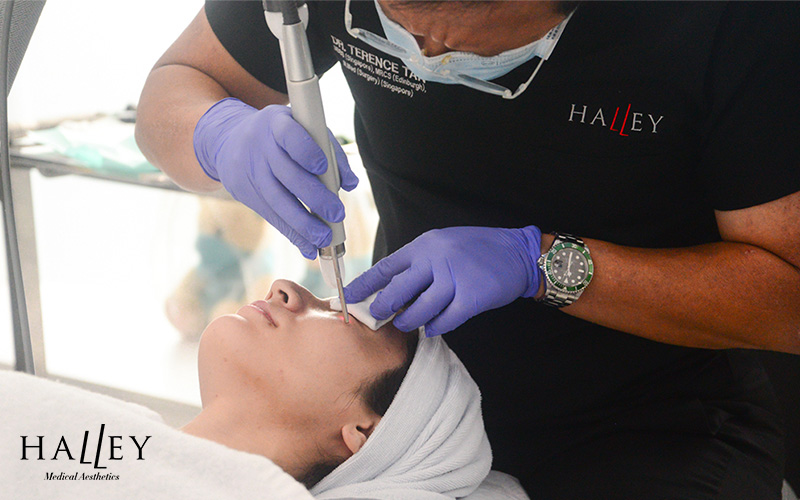
SmoothEye Laser
SmoothEye Laser, a non-ablative upper and lower eyelid tightening laser treatment, uses Er:YAG technology to gently heat the skin, support collagen remodelling, and improve firmness around the eyes. It is also commonly used for treating eye bags, as the laser can be applied to both the skin surface and the inner mucosal layer of the lower eyelid for added support to the underlying tissues. It’s a well-recommended option for those wondering how to remove eye bags without invasive procedures.
Pico lasers
Pico lasers are often used to address pigmentation-related concerns around the eyes, such as dark circles that can make eye bags appear more pronounced. The laser delivers ultra-short pulses of energy to break down excess pigment without generating significant heat, which makes it suitable for the delicate under-eye area. By improving uneven skin tone and supporting collagen stimulation, pico laser treatment can help brighten the under-eye region and reduce shadowing, making puffiness less noticeable overall.
Fractional Laser
Fractional laser treatments work by creating controlled micro-injuries in the skin, which trigger the body’s natural healing response and stimulate collagen production. This process helps improve skin texture, firmness, and fine lines around the eyes. When used for the under-eye area, fractional lasers can strengthen thinning skin and improve elasticity, which may help eye bags appear smoother and better supported over time.
3. Energy-based treatments
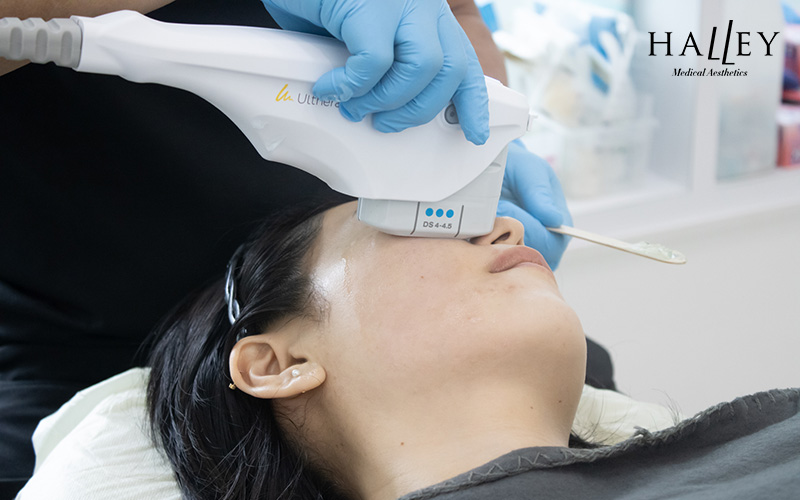
These technologies support collagen production in deeper layers of the skin and may be included in treatment plans for individuals looking to remove stubborn eye bags.
RF microneedling
RF microneedling combines controlled micro-injuries with radiofrequency (RF) energy to stimulate collagen at multiple skin depths. The needles create tiny channels as they deliver heat into the dermis, encouraging collagen and elastin production. This helps strengthen and firm the under-eye area. Newer systems can also pair RF microneedling with targeted serum infusion, addressing concerns like texture irregularities, pigmentation, or mild scarring.
XERF
XERF uses dual-frequency monopolar RF to deliver heat across multiple skin layers without damaging the surface. The controlled heating helps remodel collagen fibres and improve skin density. This creates a more stable foundation beneath the lower eyelids, targeting early signs of sagging or puffiness.
Ultherapy PRIME
Ultherapy PRIME uses micro-focused ultrasound energy to reach deeper structural layers, including the superficial muscular aponeurotic system (SMAS) layer, which is the fibrous layer beneath the skin responsible for collagen and elastin regeneration. By creating thermal points below the skin at depths of 4.5mm, 3.0mm, and 1.5mm, it stimulates natural collagen production and supports the gradual lifting of the under-eye tissues.
HIFU
HIFU delivers high-intensity focused ultrasound into the skin to trigger collagen remodelling in both the deeper structural layers and the more superficial tissues, supporting gradual lifting and tightening under the eyes. Over time, the strengthened collagen network can improve firmness and provide better support to the treated area.
Skin boosters for under-eye hydration
PN/PDRN skin boosters for the eyes are formulated to support hydration and improve the delicate texture of the under-eye area. These molecules, derived from salmon DNA, have been studied for their ability to aid the skin’s natural repair processes. For under-eye use, the formulation is made softer to suit the thinner skin in this region. This can help address dryness, early signs of tiredness, and general fragility, offering gentle support for individuals who want to improve skin quality alongside managing puffiness.
Combination treatments to help remove eye bags
Since there are often multiple factors contributing to the appearance of eye bags, doctors may prescribe a combination of treatments to remove eye bags. For instance, when the eye bags are caused by a combination of undereye pigmentation and volume loss under the eye, pico and fractional lasers can help target pigmentation and fine lines. SmoothEye Laser addresses mild sagging, while dermal fillers address volume loss under the eyes.
Surgical eye bag removal (Blepharoplasty)
While non-invasive options suit many people, some patients may require blepharoplasty, especially when the aim is to remove eye bags caused by significant structural changes.
When is it recommended?
Surgery may be considered for:
- Pronounced puffiness due to fat prolapse
- Loose skin that cannot be tightened with non-surgical methods
- Situations where patients want a more definitive approach
What the procedure involves
Blepharoplasty typically involves removing or repositioning excess fat and tightening the surrounding tissues to improve the contour of the lower eyelid. Depending on the individual’s anatomy, the procedure may be performed through a transconjunctival incision on the inside of the eyelid or a sub-lash incision just below the lash line. These approaches allow the surgeon to address structural changes while minimising tissue damage and scarring.
Recovery and downtime
Blepharoplasty is a surgical procedure and involves a recovery period, during which some downtime should be expected as the area heals.
Comparing surgical and non-surgical options
Non-surgical treatments can support mild to moderate puffiness, while surgery may be more suitable for advanced structural changes. An in-depth consultation is necessary to determine how best to remove your eye bags.
Choosing the right clinic for eye bag removal: Key considerations

Selecting a suitable clinic is an important step when exploring how to remove eye bags. Understanding what to look for can help you feel more confident and informed before starting any treatment.
1. Qualifications and experience of the doctor
Look for a registered medical practitioner with training in aesthetic procedures for the under-eye area. This region is delicate and closely connected to the surrounding eye structures, including the fat pads, muscles, blood vessels, and supporting ligaments. As such, it is critical to choose a doctor who has experience treating eye bags when you are exploring how best to address them.
2. Range of treatment options
Eye bags can develop for different reasons, and the right approach depends on identifying the contributing factors. Fat displacement, skin laxity, and fluid retention each respond to different methods. For instance, fillers may be used for hollowing caused by volume loss, lasers or energy-based treatments may help improve skin firmness, and lifestyle guidance can be useful when puffiness is related to fluid retention. A clinic that offers a range of methods to remove eye bags can provide more tailored recommendations.
3. Personalised consultation and assessment
A thorough consultation involves assessing your skin quality, facial structure, and lifestyle habits. This helps determine the main factors behind your eye bags and ensures that any suggested treatment plan aligns with your goals, comfort level, and expectations.
4. Aftercare and follow-up
Post-treatment care is an important part of the process. Clinics should offer clear instructions on what to expect after your session and schedule follow-up appointments when needed. This allows progress to be monitored and ensures you have support throughout your recovery or treatment course.
Frequently asked questions
1. Is it possible to naturally remove eye bags without any medical treatment?
Mild puffiness caused by lack of sleep or temporary fluid retention may improve with rest, hydration, and lifestyle changes. However, structural eye bags related to ageing, fat displacement, or skin laxity may require targeted treatments for noticeable improvement.
2. What is the difference between dark eye circles and eye bags?
Dark eye circles are mainly due to pigmentation, thin skin, or visible blood vessels, while eye bags are caused by puffiness or bulging under-eye fat. Although they can appear together, each condition is approached differently. For example, dark eye circle treatment may focus on improving pigmentation or skin thickness, while eye bag concerns often involve addressing fat displacement or puffiness.
3. What is the difference between treating eye bags with fillers and lasers?
Fillers are typically used when hollowing or volume loss makes the under-eye area appear more pronounced, as they help lift and smooth the transition between the eyelid and cheek. Laser treatments, on the other hand, focus on stimulating collagen and improving skin texture, which can help with mild laxity or fine lines. Doctors usually assess whether puffiness is caused by volume loss, loose skin, or a combination of both before deciding on how to remove your eye bags.
4. How long do non-surgical results last?
The duration of results varies depending on the treatment and skin condition. For example, dermal fillers typically last one to two years, while SmoothEye laser treatments are usually performed monthly for about three sessions for optimal results. The exact number and frequency of sessions vary based on your skin’s needs and treatment goals.
Finding the approach that works for you
Eye bags are not always caused by the same issue, which is why a one-size-fits-all approach may not always work. For some, the concern is mainly due to fluid retention, while others may struggle with skin laxity or fat displacement. Understanding which of these apply to you can make the treatment journey feel more purposeful.
If you would like personalised support on how to remove eye bags, Halley Medical Aesthetics can help. Our doctors take time to understand the specific factors behind your concern, helping you make decisions that align with your comfort level and goals. Contact us today.