Key Takeaways
- Laser treatments are one of several options for active acne, helping to manage breakouts, inflammation, and excess oil production.
- A typical session includes cleansing, numbing, and targeted application of laser energy, with mild sensations during treatment.
- Complementary treatments may be recommended to support clearer skin over time.
- Most individuals return to normal activities shortly after treatment, with simple aftercare steps to follow.
Introduction
When acne persists despite careful skincare, medication, or lifestyle changes, it may be time to explore other approaches. One option is laser treatment for active acne, designed to target oil glands and inflammation beneath the surface.
Below, we take a closer look at how laser treatments for pimples work, what a typical session feels like, and how it can fit within a personalised acne care plan at Halley Medical Aesthetics.
What causes acne?
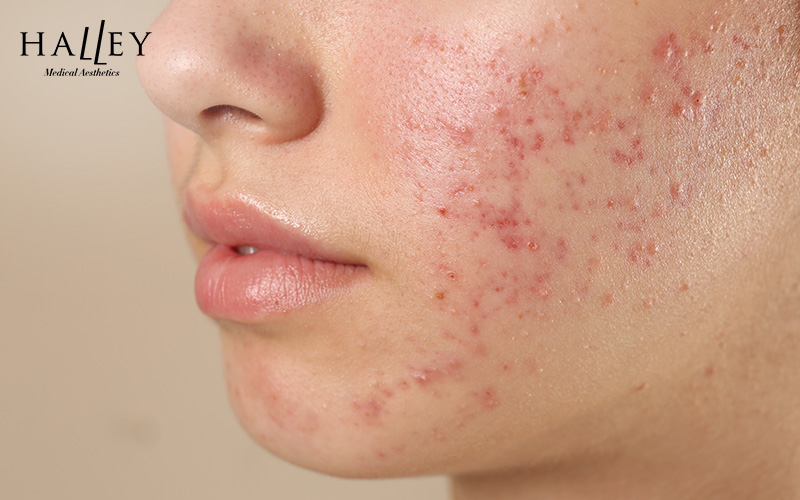
Acne forms when hair follicles become clogged and inflamed. Several factors can contribute to this, including:
- Excess sebum (oil) production
- Build-up of dead skin cells that traps bacteria within follicles
- Acne-causing bacteria, which can trigger inflammation
- Hormonal changes, especially during adolescence or stress
- Genetic predisposition, which may influence how active the oil glands are
- Certain medications that affect oil production or skin turnover
In Singapore’s warm and humid climate, additional triggers such as sweat, pollution, heavy skincare products, or inadequate cleansing can further increase congestion and worsen breakouts.
How lasers for active acne work
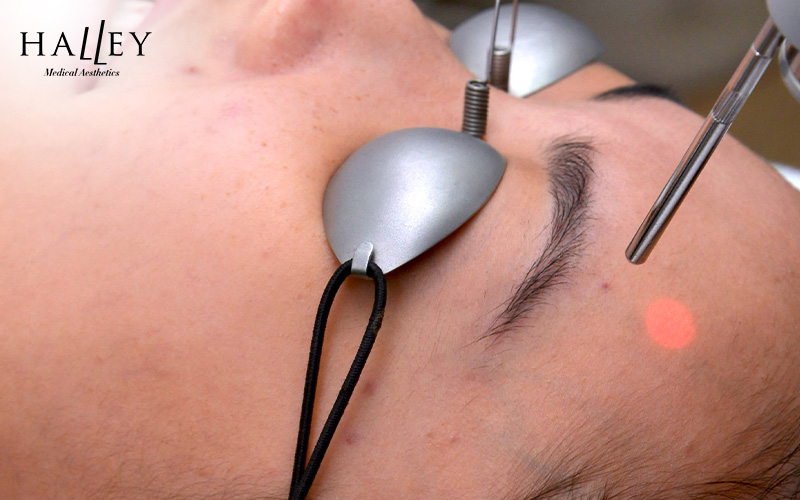
There are various types of lasers used in aesthetic medicine, each designed to target different layers or skin concerns. When it comes to treating active acne, long-pulsed lasers are often the preferred choice. They emit energy in long, sustained pulses that reach the deeper layers of the skin and deliver controlled heat to the sebaceous glands, which are responsible for oil production. This helps to:
- Moderate sebum output
- Reduce acne inflammation
- Encourage skin renewal at a cellular level
Doctors will assess the type and severity of your condition to determine whether this method is appropriate and may pair it with other acne management options to enhance outcomes.
What happens during a laser session for active acne?
1. Preparing the skin
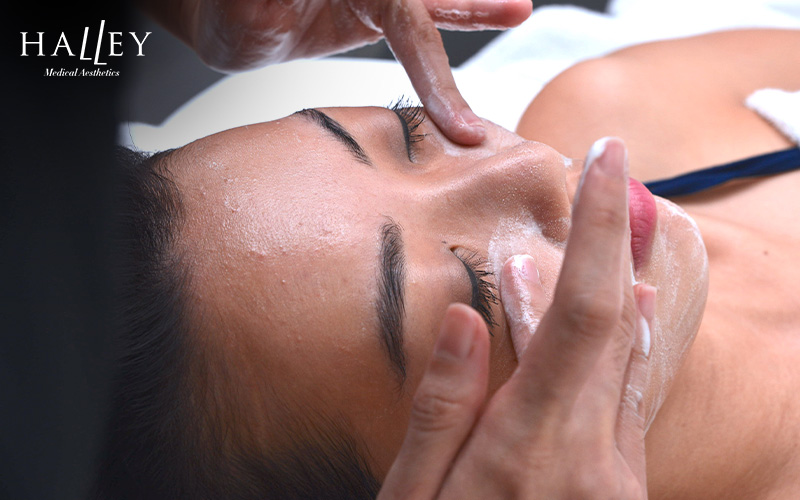
An active acne treatment session generally begins with a gentle cleanse to remove surface impurities, ensuring that the energy interacts evenly with the skin. A topical numbing cream is then applied to maintain comfort throughout the procedure.
2. Delivering the laser energy
Once the skin is prepared, the doctor uses a handheld device to apply pulses of long-pulsed laser energy to the targeted areas. Most individuals describe feeling light warmth or a mild snapping sensation as the energy reaches the deeper layers of the skin. A session usually lasts between 15 and 30 minutes, depending on the treatment zones.
3. Treatment areas and frequency
Long-pulsed lasers are commonly used on areas with thicker or oilier skin, such as the cheeks, forehead, and jawline, where deeper penetration may be beneficial. Multiple sessions are typically scheduled several weeks apart to encourage gradual changes in oil gland activity and visible breakouts.
4. Pairing with complementary treatments
To enhance overall results, doctors may combine the laser with other acne-focused treatments, such as:
- Microneedling with radiofrequency: Microneedling with RF delivers controlled heat through tiny needles, reaching the deeper layers of the skin. This can help regulate sebum activity over time and support skin repair.
- Low-level laser light therapy: This therapy uses low-energy light to target acne-causing bacteria on the skin’s surface, calming flare-ups and providing a more balanced environment for healing.
- Salicylic acid peel: A chemical peel containing salicylic acid helps loosen and shed dead skin cells inside the pores. This prevents build-up that can trigger new breakouts and prepares the skin for subsequent treatment by reducing surface congestion.
These complementary options support a multi-layered approach to managing breakouts.
Recovery and aftercare
After a laser session, the skin may look slightly pink or feel warm, which typically settles within a few hours. You will be able to return to daily activities shortly after treatment, but are advised to follow aftercare recommendations:
- Use a gentle cleanser to avoid irritating the skin
- Apply moisturiser to maintain comfort and support the skin barrier
- Wear sunscreen daily, especially if spending time outdoors
- Avoid harsh exfoliants or active ingredients (e.g., AHAs, BHAs, retinoids) for several days
- Skip heat-based activities, such as saunas or intense exercise, for the first 24 hours
Your doctor will provide tailored advice based on your skin’s response, particularly if you are combining laser therapy for acne breakouts with other treatments.
Ready to explore your options?
If you have tried different products or prescriptions but still struggle with active breakouts, laser treatments may offer another layer of support. At Halley Medical Aesthetics, our doctors will assess your skin type, breakout pattern, and lifestyle factors to create a balanced plan that considers your skin behaviour and long-term goals.
Speak with our team today to learn more.