
| Table of Contents |
Many people notice that topical products sometimes reach their limits; moisturisers may sit on the surface, and serums may not fully restore lost hydration or firmness. When dryness, uneven texture, or early signs of ageing appear, some look toward solutions that work deeper in the skin.
That is where skin boosters come in. These are injectable skin treatments designed to nourish the skin from within, delivering active ingredients such as hyaluronic acid (HA) or polynucleotides (PN) directly into the dermal layers.
In this article, we’ll explore what skin boosters are, how they work, their benefits, and the types of skin boosters available in Singapore. Whether you are new to the idea or considering treatment, we’re here to help you make an informed decision.
Key takeaways
- What are skin boosters? They are injectable aesthetic treatments designed to deliver hydrating and repairing agents directly into the skin’s dermis.
- They may help improve skin hydration, smooth texture, support elasticity, and minimise the appearance of fine lines and certain scars.
- Several types of skin boosters exist, including those formulated with hyaluronic acid (HA), polynucleotides (PN), and poly-D, L-lactic acid (PDLLA), each suited to different skin needs.
- The procedure involves a consultation, the injection of the product (usually with numbing cream), and minimal downtime, with temporary redness or swelling.
- Results appear gradually and can last for several months, requiring periodic follow-up sessions to sustain the effects.
The science and benefits behind skin boosters
What are skin boosters?
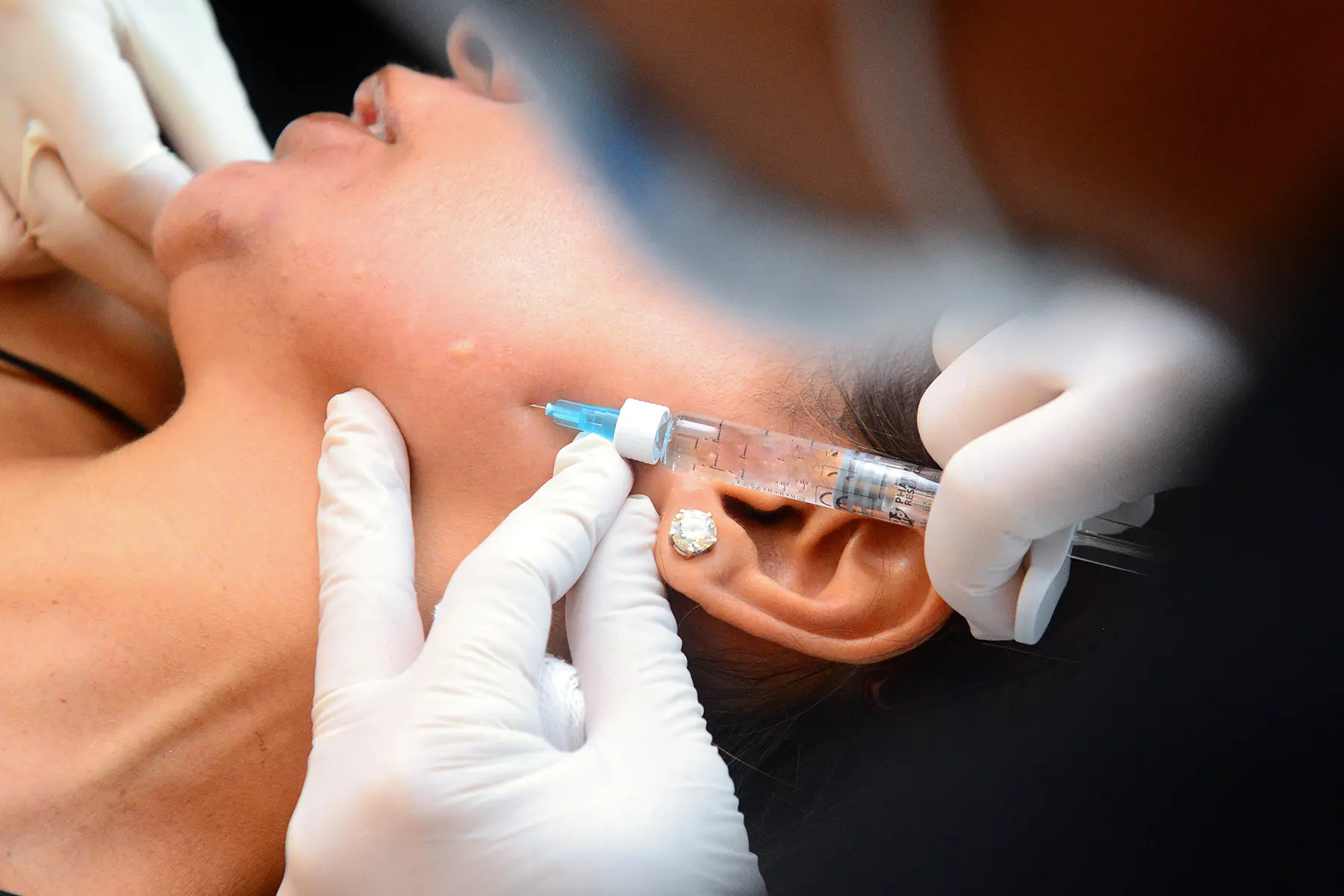
Skin boosters are injectable skin treatments that deliver skin-nourishing agents, such as hyaluronic acid (HA) and polynucleotides/polydeoxyribonucleotide (PN/PDRN), into the skin. Through microinjections, these substances are distributed evenly in the dermis, rather than sitting only on the skin’s surface like most topical products.
What are the benefits of skin boosters?
While the effects of these treatments differ depending on your individual skin condition, patients can generally expect:
- Improved hydration and moisture retention for smoother, plumper-looking skin
- Enhanced elasticity and firmness, giving the skin a more supple feel
- Refined texture and reduced roughness or dullness
- Softer appearance of fine lines and early signs of ageing skin
- Support for skin repair, which may help minimise acne scars or post-inflammatory marks
Who can consider skin boosters?
Many adults are suitable candidates for this treatment. Skin boosters may be considered for:
- Adults of various age groups looking to improve skin hydration or texture.
- Individuals concerned about changes in their skin, such as dryness, fine lines, or unevenness.
- Patients seeking supportive treatments alongside other skin procedures (under medical advice).
- Those assessed as suitable following a professional consultation.
However, this treatment is generally not advised for those who are pregnant, breastfeeding, or have underlying medical conditions that may affect suitability. During your consultation, your doctor will assess your overall health and skin condition to ensure that the procedure is safe and tailored to your needs.
What are the different types of skin boosters in Singapore?
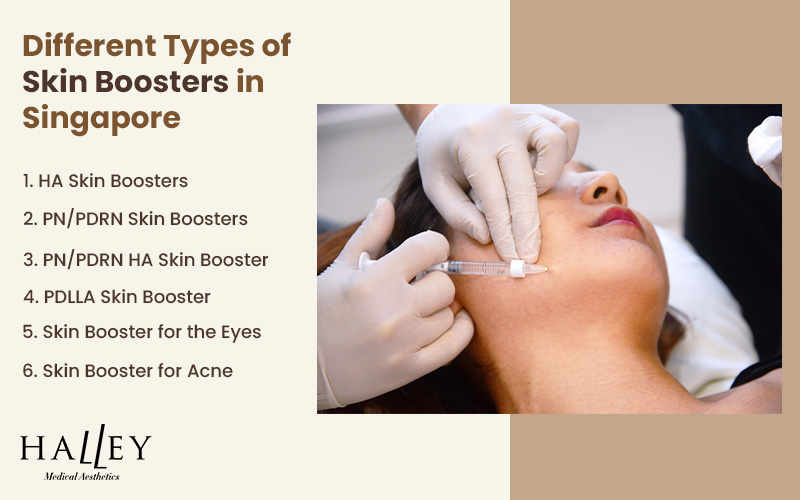
With a basic understanding of what skin boosters are, let’s now explore the different formulations available. Several options are offered at Halley Medical Aesthetics, each with different active ingredients and properties designed to address specific skin needs.
HA Skin Boosters
HA-based formulations are a common and popular option. Hyaluronic acid occurs naturally in the skin and plays an essential role in keeping it hydrated and supple. As HA levels decline with age, the skin can feel dry or lose elasticity. Skin boosters reintroduce HA through targeted microinjections, which can help restore hydration and smooth skin texture.
At Halley Medical Aesthetics, HA Skin Boosters are offered in several formulations:
- Longevity Skin Booster: A long-lasting option that supports hydration and glow.
- HA Vital Light Skin Booster: Provides deep moisturisation for dehydrated skin.
- HA Glycerol Skin Booster: Aims to enhance moisture retention and skin softness.
- HA Bio-Remodelling Skin Booster: Formulated to support elasticity and skin quality.
PN/PDRN Skin Boosters
When exploring what skin boosters are, PN-based formulations are another option that focuses on supporting the skin’s natural repair processes. These treatments contain polynucleotides, DNA fragments commonly derived from salmon, which are biocompatible substances used to help strengthen and revitalise the skin.
At Halley Medical Aesthetics, our PN Skin Healer is designed to promote renewal and resilience from within. They are sometimes considered for individuals who wish to improve overall skin quality, address roughness or mild acne scarring, or support recovery as part of a comprehensive skincare plan.
PN/PDRN HA Skin Booster
PN/PDRN HA Skin Boosters combine both ingredients to provide both hydration and renewal support. By pairing HA’s moisture-retaining ability with the restorative properties of PN, this treatment can help enhance overall skin texture and comfort.
For those new to what skin boosters are, this dual-action combination demonstrates how injectable therapies can be customised to address multiple aspects of skin health, such as hydration, smoothness, and barrier support.
Poly-D, L-lactic acid (PDLLA) Skin Booster
PDLLA Skin Boosters are sometimes referred to as a hybrid formulation because they combine HA, which supports skin hydration, with PDLLA, a biocompatible compound that helps stimulate collagen production.
For those new to what skin boosters are, this formulation illustrates how different ingredients can work together to target multiple aspects of skin health. While HA focuses on maintaining moisture within the skin, PDLLA works by stimulating fibroblast activity through a controlled regenerative response to stimulate collagen production. This dual action allows the treatment to address both hydration and structural support for your skin over time.
PN/PDRN Skin Booster for Eyes
The skin around the eyes is thinner, which is why specialised formulations are often used in this area. PN/PDRN Skin Boosters for the Eyes have a lighter consistency suitable for delicate skin and are designed to support hydration and refine texture. It may be considered for individuals who experience dryness, fine lines, or dullness around the eyes.
PN/PDRN Skin Booster for Acne
For skin that has been affected by acne scarring, maintaining hydration and supporting the renewal process can be important. PN/PDRN Skin Boosters for Acne contain a higher concentration of PN to help reinforce the skin’s natural repair functions and tissue regeneration. This is a suitable option for those who wish to improve skin texture in areas with mild acne scars or post-inflammatory changes. PN/PDRN Skin Boosters for Acne can complement other treatments by supporting skin recovery and overall skin quality over time.
Overall, these formulations demonstrate what skin boosters are in practice—a diverse category of treatments that can be customised according to specific skin needs.
What are skin booster procedures like?
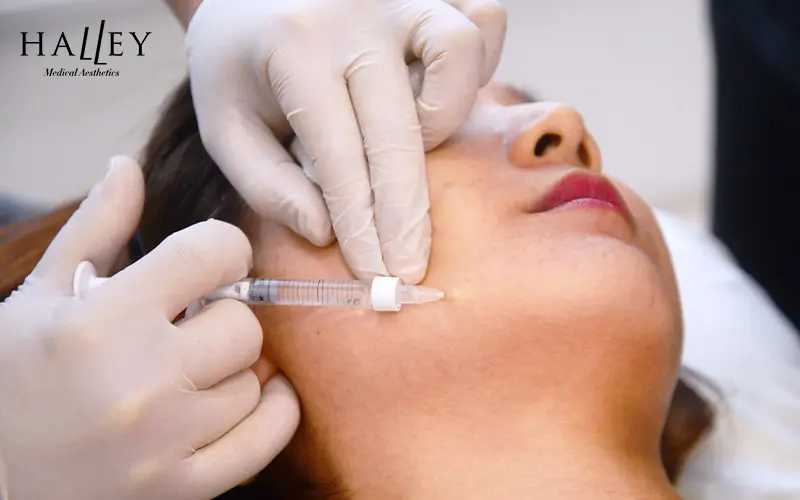
After understanding what skin boosters are and how they work, it’s natural to wonder what the treatment process involves. This section provides a closer look at what typically happens before, during, and after a session, offering a clear overview of each stage.
What to expect before, during, and after treatment
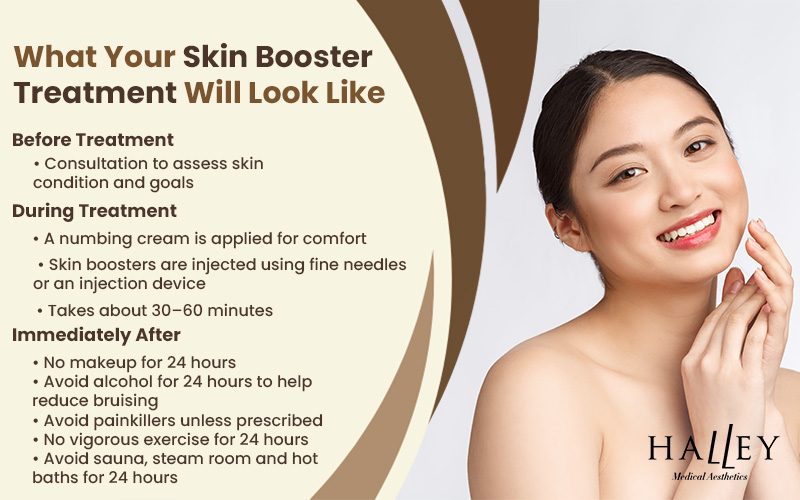
Before treatment
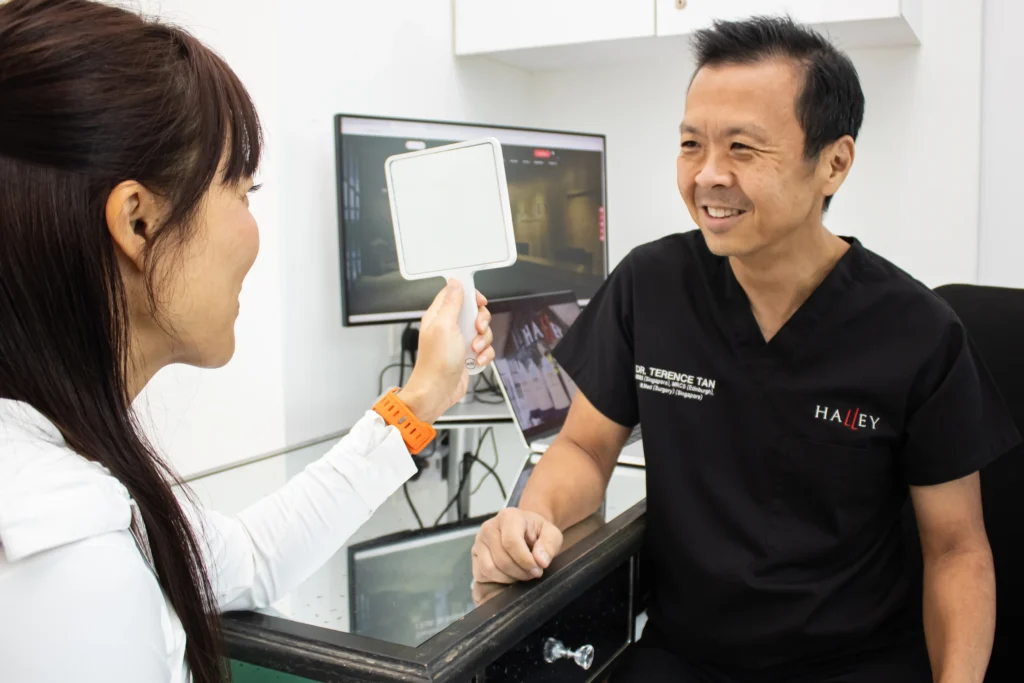
At Halley Medical Aesthetics, every treatment begins with a detailed consultation. During this session, your doctor will assess your skin condition, review your medical history, and discuss your goals to determine whether the procedure is suitable for you.
For those learning what skin boosters are and how they fit into a broader skincare plan, this consultation is an important first step. It allows your doctor to recommend an approach that aligns with your skin needs and ensures the procedure is appropriate for you.
You may be advised to avoid alcohol, certain medications, or supplements that could increase sensitivity or bruising. This helps keep your skin in optimal condition before the session.
Your doctor will also walk you through the procedure steps, outline possible outcomes, and provide pre- and post-treatment care instructions for these injectable treatments. This discussion helps you understand what to expect and how to prepare for a comfortable experience.
During treatment
To make the procedure more comfortable, a topical numbing cream is usually applied to the treatment area. Once the skin is prepared, the booster is carefully administered via microinjections using fine needles or an injection device.
The entire session typically takes about 30–60 minutes, depending on the treatment area and formulation used. The procedure is generally straightforward, but your experience may vary based on individual skin needs and the specific product selected.
Immediately after
Following the procedure, mild swelling, redness, or small bumps at the injection sites are common and usually subside within a day or two. Most individuals can return to their normal routines shortly after treatment.
For those still learning about what skin boosters are, it’s important to remember that while the procedure is minimally invasive, consistent aftercare contributes to a smoother recovery. It is advisable to:
- Avoid applying makeup for at least 24 hours to reduce the risk of infection.
- Refrain from alcohol consumption for 24 hours, as it may increase bruising.
- Avoid painkillers unless prescribed, as they can increase bruising and swelling.
- Avoid strenuous exercise for at least 24 hours to prevent bruising.
- Avoid saunas, steam rooms, and excessive heat for 24 hours, as heat can dilate blood vessels and increase bruising.
Physical exertion and heat can increase blood flow to the skin, which may worsen temporary swelling or bruising. Likewise, UV exposure can irritate the treated areas and interfere with the healing process. These steps help minimise irritation and support proper recovery.
What are the next steps after skin booster treatment?
Depending on your treatment plan, several sessions may be scheduled a few weeks apart to gradually build and maintain results. Follow-up appointments allow your doctor to monitor progress, evaluate your skin’s response, and recommend tailored skincare tips moving forward.
Longevity and maintenance of skin booster results
Understanding what skin boosters are also means recognising that their effects develop gradually rather than instantly. As the treatment works to hydrate the skin and support its natural renewal processes, subtle improvements in texture and suppleness typically become noticeable over the following weeks.
When do results typically appear?
Patients often notice that their skin feels more hydrated and refined several weeks after treatment. The timeline can differ based on the type of treatment, the number of sessions completed, and individual skin characteristics.
How long do the results last?
In general, results may last for several months before gradually tapering. Maintenance sessions can be scheduled periodically to help sustain hydration and skin quality over time. Factors such as age, lifestyle, and daily skincare routines may also influence how long the effects are maintained.
What are some complementary treatments for skin boosters?
Skin boosters can be integrated into a broader skincare plan under medical guidance. They are sometimes combined with other non-surgical treatments such as laser therapy or light-based procedures to address concerns like uneven texture or pigmentation.
However, not all treatments can be performed on the same day. Your doctor will need to determine the most appropriate timing and sequence based on your skin’s condition and recovery needs.
Frequently Asked Questions
Q1: Do skin boosters hurt?
For those new to what skin boosters are, one of the most common questions is whether the procedure is painful. It’s usually described as mildly uncomfortable. Before the session, a numbing cream is applied to help minimise discomfort and make the process more tolerable. The sensation can vary depending on the treatment area, individual pain threshold, and the specific formulation used.
Q2. How long does a skin booster session typically take?
The procedure typically takes about 30–60 minutes, depending on the size and number of areas treated. This duration includes preparation time, such as cleansing the skin, applying numbing cream, and discussing any last-minute questions with your doctor. Because the injections are carefully and evenly distributed, your doctor will take time to ensure consistent application throughout the treated area.
Q3. Are injectable skin therapies suitable for all skin types?
In general, skin boosters can be considered for adults of various skin types who wish to enhance hydration or refine texture. However, suitability should always be determined through a professional consultation. During this assessment, your doctor will review your skin condition, goals, and medical history to decide if the treatment is appropriate.
Q4. What are the differences between skin boosters and fillers?
Fillers are typically used to add volume or contour specific facial areas such as the cheeks or lips. In contrast, skin boosters are formulated to improve skin quality by enhancing hydration and supporting its natural renewal processes.
Conclusion: A deeper approach to skin health
If you’ve been experiencing dryness, fine lines, or uneven texture, you’re certainly not alone. By understanding what skin boosters are, how the different formulations work, and what the treatment process entails, you are well-equipped to make an informed choice.
At Halley Medical Aesthetics, our doctors understand that every skin journey is unique. Whether you’re new to injectable treatments or looking for different options, we’ll help you explore your options through a careful, personalised consultation. Get in touch with us today to learn more about our approach.
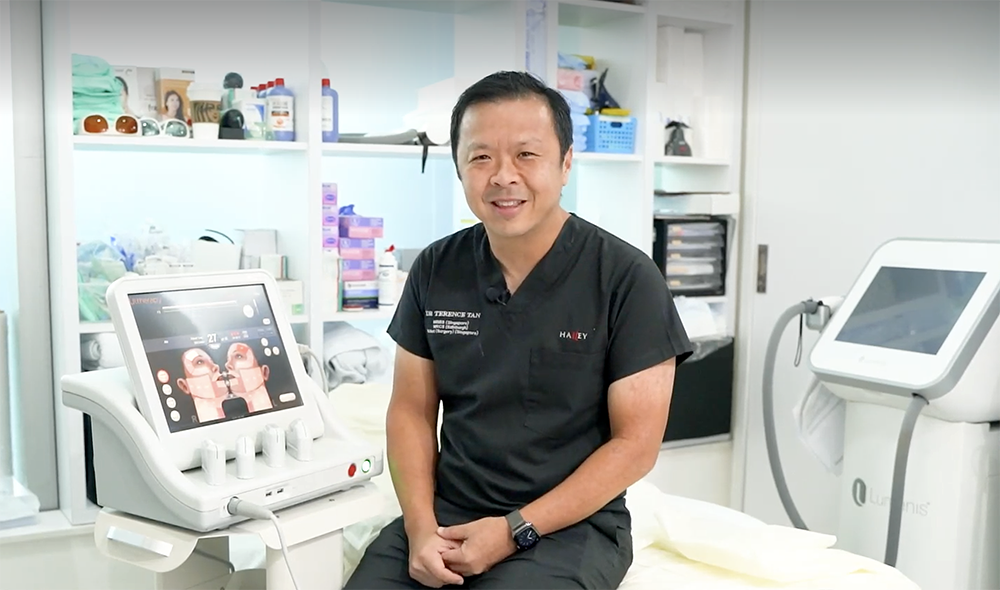
Dr. Terence Tan
MBBS (Singapore), MRCS (Edinburgh), M.Med (Surgery) (Singapore)
“Most skin concerns don’t come from one issue alone. Taking time to understand hydration, texture, and skin response helps us decide whether a skin booster is the right option for that individual.”


