
When it comes to skincare, pigmentation is a common concern that most of us face at some point in our lives. Those dark spots can sneak up on you after a day at the beach, years of sun exposure, or simply as a result of ageing. If you’re on a mission to even out your complexion and are overwhelmed by the options available, here are two popular approaches that are widely used to brighten up your skin – pigment laser treatment and topical creams.
Let’s dive into the differences between these two approaches to help you make an informed choice.
1. Mechanism of action
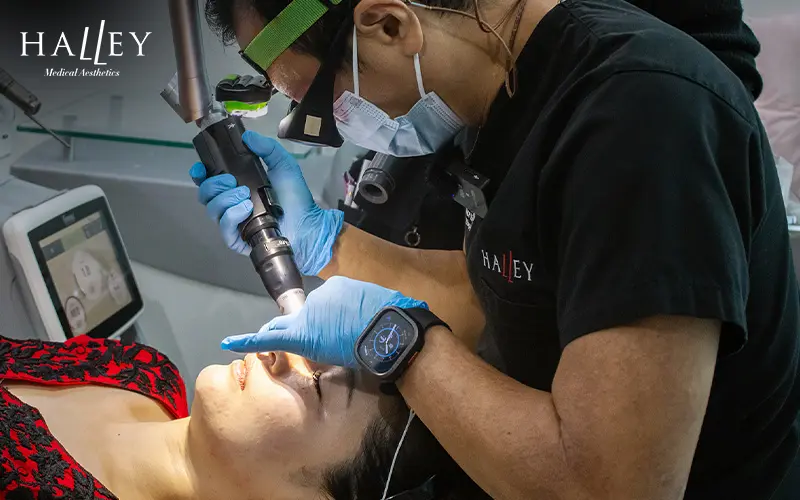
First thing first, understanding how each method tackles pigmentation removal. Laser treatments penetrate deep beneath the skin’s surface, targeting the underlying layers to break down pigmentation with focused light energy. This pigment laser treatment process stimulates your skin’s natural healing response, leading to clear and even-toned skin over time.
On the other hand, topical creams are the surface-level warriors in this battle. These creams contain active ingredients designed to lighten dark spots and even out skin tone. They primarily work on the upper layers of skin, gradually fading pigmentation by inhibiting melanin production.
2. Speed of results
Now, when it comes to the speed of results, laser treatments typically take centre stage with many patients reporting noticeable improvements after just one session! Depending on the pigmentation and skin type, you might see results within a few days to a couple of weeks. This quick turnaround makes pigment laser treatments appealing to those wanting to see fast outcomes.
In contrast, topical creams require a more leisurely approach. You might need to apply these creams diligently for several weeks or even months before you notice a significant difference. While they can certainly be effective, patience is key when opting for topical solutions. So, if you’re in a hurry, lasers might be the way to go!
3. Suitability for different pigmentation types
Pigmentation comes in various forms and no two types are alike, which is crucial to consider when selecting a treatment. Lasers for pigmentation treatments are particularly effective for a wide range of pigmentation issues, including sun spots, age spots, and melasma. Different laser technologies can be tailored to address specific pigmentation concerns, offering versatility for various skin types and conditions.
Topical creams, however, can be more selective in their effectiveness. They work for surface-level pigmentation, such as freckles and light sun damage. For stubborn conditions like melasma, which often requires a multi-faceted approach, topical creams may not deliver the results you’re after on their own. In some cases, combining both methods can yield better results.
4. Treatment duration and maintenance
Finally, let’s chat about how long these treatments last and what maintenance looks like. Laser treatments for pigmentation are generally quick and may only require a few sessions, depending on the severity of the pigmentation. Once you achieve your desired results, ongoing maintenance might include occasional touch-ups. To prevent new pigmentation from forming, consider taking protective measures like wearing wide-brimmed hats, seeking shade during peak sun hours, and using sunscreen daily.
Topical creams require a longer commitment. Daily application is necessary for continued effectiveness, and incorporating these creams into your skincare routine may be needed for the long haul. While they can be a fantastic option for those who prefer a more gradual approach, you need to stay consistent for the optimal outcome.
Ultimately, in the age-old debate of pigment laser treatment versus topical creams, there’s no one-size-fits-all answer. It boils down to your skin type, the pigmentation you’re dealing with, and how quickly you want to see results. To determine the optimal approach for your unique skin needs, book a consultation with our team at Halley Medical Aesthetics. Following a thorough assessment, we will develop a personalised treatment plan tailored to address your specific concerns.
Reach out to us today to learn more about how we can help you achieve your skincare goals!


