Key takeaways
- Korean glass skin is a beauty trend defined by smooth, radiant, and translucent skin.
- Achieving this look involves both topical care and deeper hydration support.
- Skin boosters formulated with ingredients like hyaluronic acid (HA) and polynucleotides (PN) can complement a glass skin routine by addressing hydration and renewal.
- Consistency, sun protection, and professional guidance are key to sustaining dewy skin.
What is korean glass skin, and how can you achieve it?
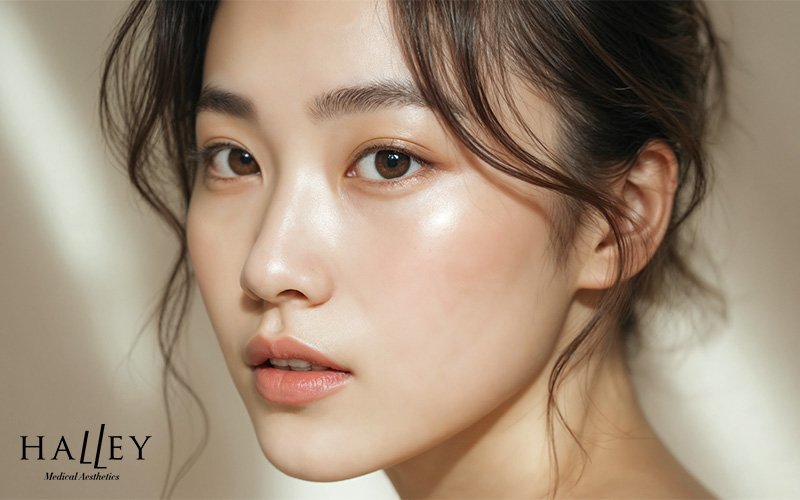
Smooth, radiant, and almost translucent—these are the hallmarks of “glass skin”. Emerging from Korean beauty trends and propelled by the Hallyu wave, it has become a beauty aspiration for many. Unlike the broader dewy skin trend, which focuses mainly on surface shine, glass skin is characterised by deep hydration, refined texture, and a luminous, even tone.
Its popularity has inspired everything from multi-step skincare routines to professional treatments in Singapore and beyond. The question is no longer what glass skin is, but how to maintain it consistently.
How skin boosters contribute to the glass skin effect
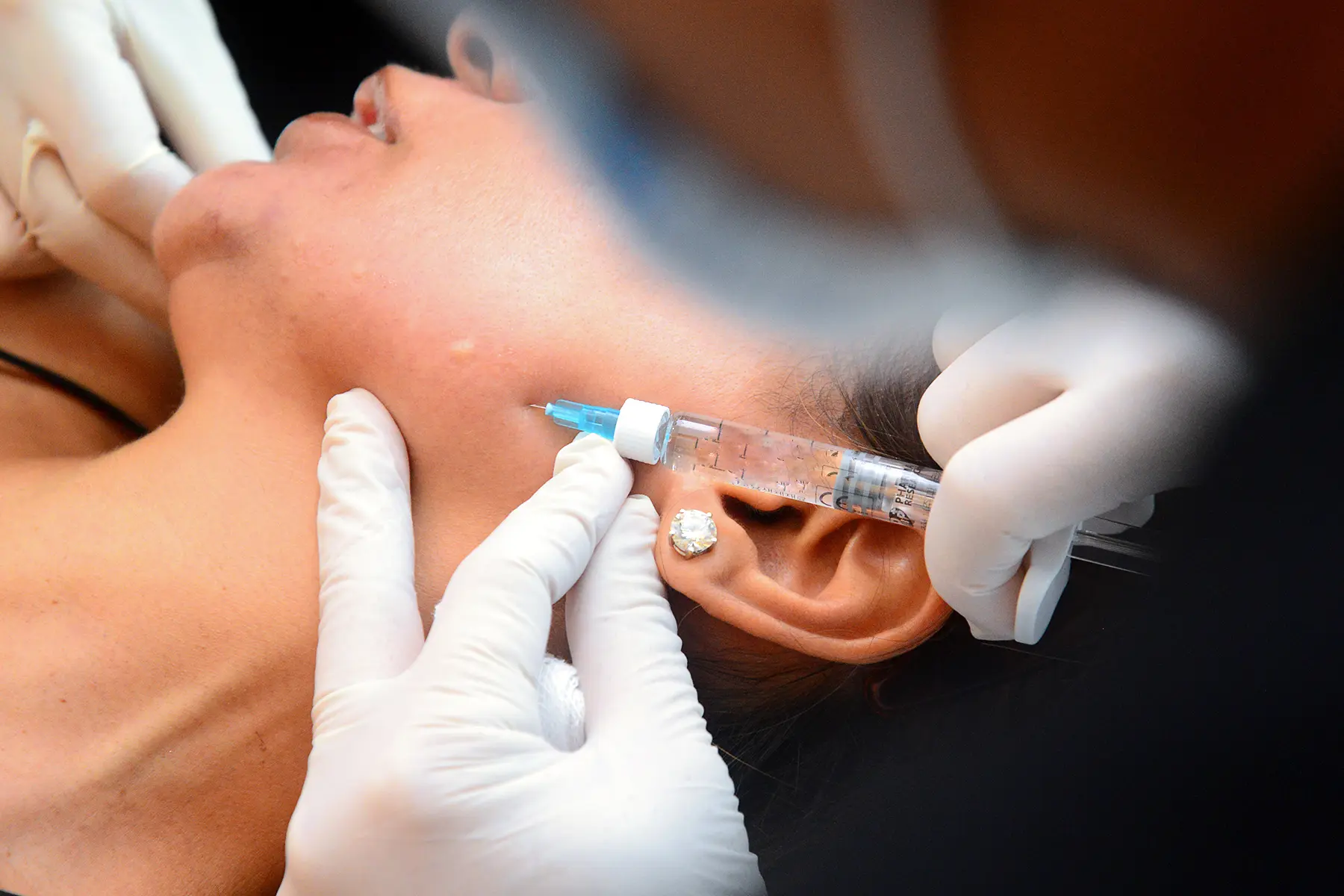
Many people follow multi-step Korean skincare routines in pursuit of the glass skin look. While these can help on the surface, some find that achieving lasting hydration and radiance requires something deeper. This is where skin boosters come in—injectable treatments designed to deliver hydration beneath the skin.
By introducing moisture-binding ingredients into the deeper layers of the skin, these treatments support plumpness and smoothness. When done consistently and paired with daily care, they can contribute to maintaining a luminous, hydrated look over time.
Types of skin boosters to explore
1. Hyaluronic Acid (HA) skin boosters
HA is a naturally occurring substance in the body that attracts and retains water, helping to keep skin hydrated and plump. In hydration skin boosters, HA is delivered into the deeper skin layers through microinjections, where it binds to water molecules to enhance moisture. Beyond hydration, HA boosters also encourage the production of collagen and elastin, which are proteins that give skin its structure and firmness. This combination of effects can help refine surface irregularities and smooth roughness in the skin.
2. Polynucleotide (PN) / Polydeoxyribonucleotide (PDRN) skin boosters
PN and PDRN are DNA-based molecules, often derived from salmon DNA fragments, that have been studied for their regenerative properties. They are known to activate fibroblasts—the cells responsible for producing collagen and other structural proteins. When used in injectables, PN skin boosters support cellular renewal, help maintain skin elasticity, promote hydration, and support overall skin rejuvenation.
3. Poly-D, L-lactic Acid (PDLLA) skin boosters
PDLLA skin boosters (also known as korean skin boosters) are hybrid injectables that combine HA with PDLLA, a bio-stimulator known to encourage collagen production over time. The HA component supports hydration, while the PDLLA particles gradually stimulate fibroblasts to strengthen the skin’s structure. This dual mechanism helps maintain elasticity, firmness, and a smoother skin texture, giving individuals a hydrated, refined appearance associated with the glass skin trend.
Treatment choice should always be guided by individual skin needs and goals, with suitability assessed during consultation with a qualified professional.
Practical tips for maintaining the glow
Achieving Korean glass skin is not a one-time effort. Instead, it requires consistency and balance between professional care and at-home maintenance. Here are some practical ways to keep the glow:
-
Schedule regular hydrating skin treatments:
Skin boosters may be repeated at intervals recommended by your doctor to help maintain hydration and radiance.
-
Prioritise daily care:
Gentle cleansing, adequate moisturising, and diligent sun protection are essential to prevent damage that can dull the skin’s clarity.
-
Consider skincare add-ons:
Exosomes, or non-drug vesicles, are sometimes applied after booster sessions to aid recovery and further enhance texture.
By combining these approaches, you can support both the appearance of glass skin and the resilience of your skin barrier.
Conclusion: bringing the korean glass skin glow within reach
The appeal of Korean glass skin lies in its clarity, luminosity, and timeless glow. While a consistent home routine sets the foundation, professional options like skin boosters can take results further by targeting hydration and renewal beneath the surface. Ultimately, achieving this look is about balance: pairing everyday care with evidence-based treatments and maintaining consistency over time.
At Halley Medical Aesthetics, we understand that every skin journey is unique. Our treatments are designed with safety in mind and customised to your individual needs. Arrange a consultation with us today to discuss how skin boosters can support your personal skin goals.