Key takeaways
- Laser tattoo removal works by breaking down ink particles for the body to naturally clear over time.
- Several factors, such as tattoo age, ink colour, skin type, and location, can affect how well tattoo removal works.
- Multiple sessions are typically needed, and complete removal is not always possible.
- A professional consultation helps set realistic expectations based on your tattoo and skin characteristics.
How well does laser tattoo removal work? A realistic look at what to expect
Tattoos can be meaningful reminders—until they no longer are. For those looking to remove their unwanted ink, laser treatments are often the first solution that comes to mind. Still, many wonder: how well does laser tattoo removal work in practice? The truth is that results can vary widely depending on the tattoo’s colour, depth, age, and even your skin’s unique characteristics.
By understanding these factors, you’ll be able to set more realistic expectations and make informed choices about your treatment plan.
A brief overview of how laser tattoo removal works
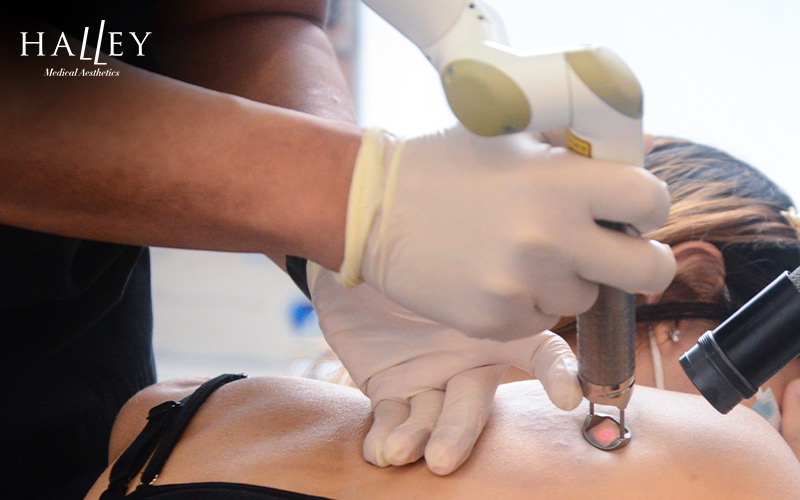
Laser tattoo removal utilises a technique called selective photothermolysis, where a laser emits high-intensity, ultra-short pulses of light that are absorbed by the tattoo ink in the skin. The rapid absorption of energy causes the ink particles to shatter into fragments without excessively damaging the surrounding skin tissue. Subsequently, the body’s immune system recognises these ink particles as waste and gradually transports them away through the lymphatic system.
Since the body removes the fragmented ink gradually, the tattoo fading process typically requires multiple sessions.
Types of tattoo removal techniques
There are different types of lasers used for tattoo removal, each suited to specific pigment colours and treatment needs:
- Q-switched lasers: Deliver short bursts of light energy to break down pigments such as black and blue. Different wavelengths are used for different colours. For example, 1064 nm for black and dark blue, and 532 nm for red, orange, and some yellow inks.
- Pico lasers: Use even shorter pulses, measured in picoseconds, to create a strong photoacoustic effect. This makes them effective for breaking down smaller pigment particles and treating many different ink colours, including stubborn shades like blue and green.
Factors affecting your tattoo removal results
Wondering how well laser tattoo removal will work for your specific situation? Here are several factors to consider:
- Tattoo age: Older tattoos tend to fade more easily as some ink has already broken down naturally over time.
- Ink colour: Black and dark blue inks typically respond better to laser treatment. In contrast, lighter pigments such as yellow, green, or turquoise may require more sessions or may not clear completely.
- Quality of pigment: The type and quality of ink used can influence how well it responds to laser treatment. Professional-grade pigments or dense formulations may take longer to break down, while lower-quality inks used in amateur tattoos often fade more quickly.
- Skin type: Skin tone, thickness, and sensitivity influence how the skin reacts during and after each session. Darker or more sensitive skin may require gentler settings and longer recovery intervals to minimise irritation or pigmentation changes.
- Tattoo location: Tattoos on areas with stronger blood circulation, such as the upper body, may be removed more readily than those located farther from the heart, like the ankles or fingers.
Limitations of laser tattoo removal to keep in mind
Even with technologies such as pico laser tattoo removal, not all tattoos can be removed completely. Some pigments may only lighten to a certain degree, and outcomes can vary based on the tattoo’s characteristics. The number of laser tattoo removal sessions required also differs—some individuals may see noticeable fading after a few treatments, while others might need more. Understanding these limitations can help set realistic expectations before starting the treatment process.
The importance of consultations for tattoo removal
Before undergoing any kind of laser treatment, it’s essential to have a detailed consultation with a qualified doctor. Your doctor will evaluate the tattoo’s size, colour, and placement, as well as your skin type and medical history, to help you set realistic expectations. They can also provide guidance on how to care for your skin before and after each session, which can influence how well your laser tattoo removal works.
That is what you can expect from the professionals at Halley Medical Aesthetics. Whether you’re looking to address skin concerns or remove a tattoo, our doctors will take the time to explain how different factors may influence your results and recommend a plan suited to your needs. Contact us today to learn more about our services.