
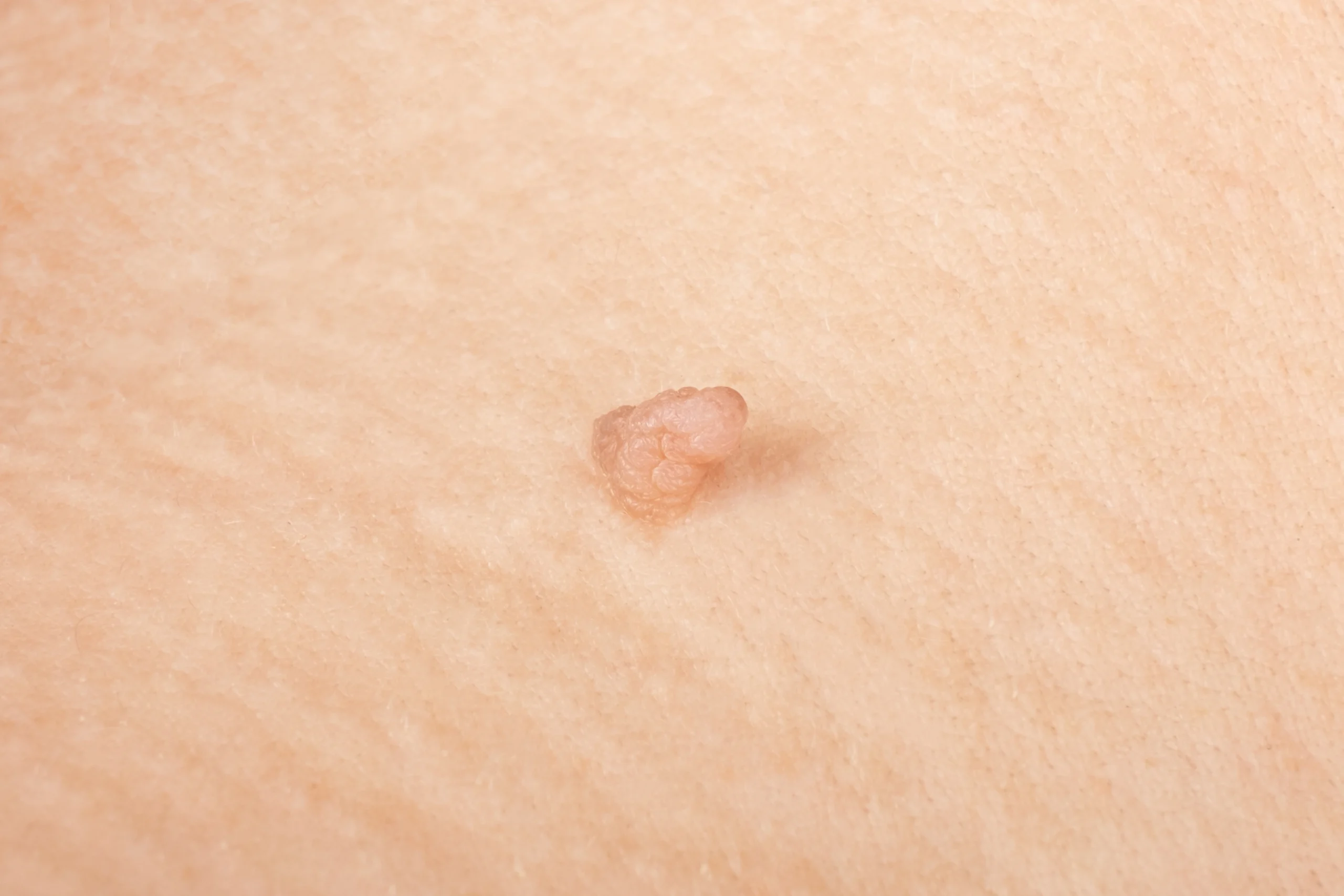
Skin tags are small, soft growths that appear on the surface of the skin. They are usually flesh-coloured and most commonly found on areas where the skin folds, such as the neck, underarms, and groin. Studies suggest that around 50% of adults may develop at least one skin tag during their lifetime, making it a common benign skin condition.
Although skin tags are generally harmless, evaluation by a doctor is important to confirm the diagnosis and determine whether removal is appropriate.
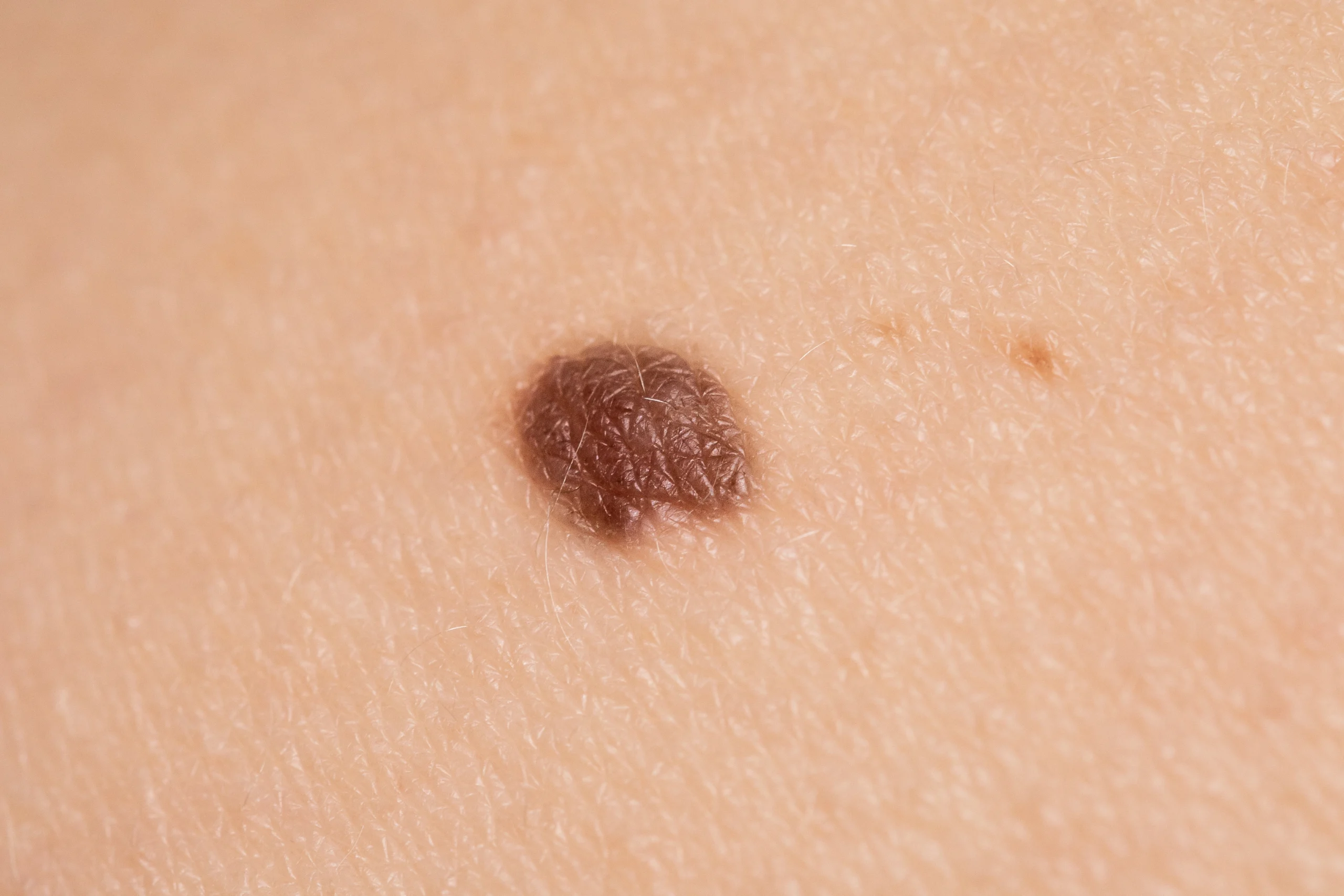
Moles are clusters of pigment-producing cells that appear as brown, pink, or flesh-coloured spots. They can be flat or raised and may form anywhere on the body. While most are harmless, some moles require medical assessment to rule out changes in appearance.
These two types of skin lumps are common, benign concerns, but proper assessment ensures safe and appropriate management.
The common causes of skin tags include friction, hormonal changes, and genetics. They tend to form where the skin rubs together, such as the neck or underarms.
Genetics, sun exposure, and natural pigmentation patterns are among the many causes of moles. Both environmental and inherited factors influence how moles develop over time.
Your visit begins with a consultation where the doctor assesses the skin tag or mole. Your skin type, medical history, and treatment goals will also be reviewed to ensure the most appropriate approach is selected.
Once a diagnosis is made, the doctor will recommend CO2 Laser treatment to remove moles and skin tags, depending on their type and depth. Local anaesthesia may be applied to keep the area comfortable. The procedure is typically quick, and the doctor will explain each step before proceeding.
After treatment, you will be advised on how to care for the area as it heals. This usually includes keeping the site clean, avoiding picking at any scabs, and applying prescribed creams as directed. Sun protection is important to support proper healing and minimise pigmentation.
Most patients find skin tag laser removal manageable, with the sensation varying depending on the type and size of the lump being treated. A numbing cream or local anaesthetic may be applied to minimise discomfort.
The cost depends on factors such as the number of skin tags and moles being treated, the laser used, and your skin condition. During your consultation, the doctor will provide a personalised assessment and a clear breakdown of charges. You may also refer to our online price list for an overview of treatment fees.
Some skin lumps, such as small moles and skin tags, can be removed in a single session. Others may need follow-up treatments if the lump is deeper or larger. The doctor will advise on the expected number of sessions after examining the area requiring treatment and discussing your goals.
Common temporary effects include mild redness, slight swelling, or small scabs as the treated area heals. These usually settle over a few days. Your doctor will provide aftercare instructions to help support the healing process and minimise irritation.
Many individuals can safely undergo laser or extraction treatments, but suitability depends on factors such as skin sensitivity, pigmentation tendencies, and other concerns. A consultation is necessary to determine the safest approach for your specific skin type and condition.
Yes, treatments may be combined if you wish to address additional concerns such as uneven texture, pigmentation, or hydration. Options may include:
– Pico laser to help address pigmentation or uneven skin tone
– Energy-based treatments like Ultherapy PRIME to support skin firmness or texture
– Hydrating facials to replenish moisture and maintain overall skin health
Your doctor will advise on suitable combinations and recommend appropriate spacing between sessions.
Book A Consultation Now!
The use of these treatments/products is dependent on the clinical assessment and judgement of a medical professional. Please consult a medical doctor for an informed discussion on the use of this treatment/product.